Partner guide to perimenopause: How to truly support your partner
Partner guide to perimenopause: How to truly support your partner
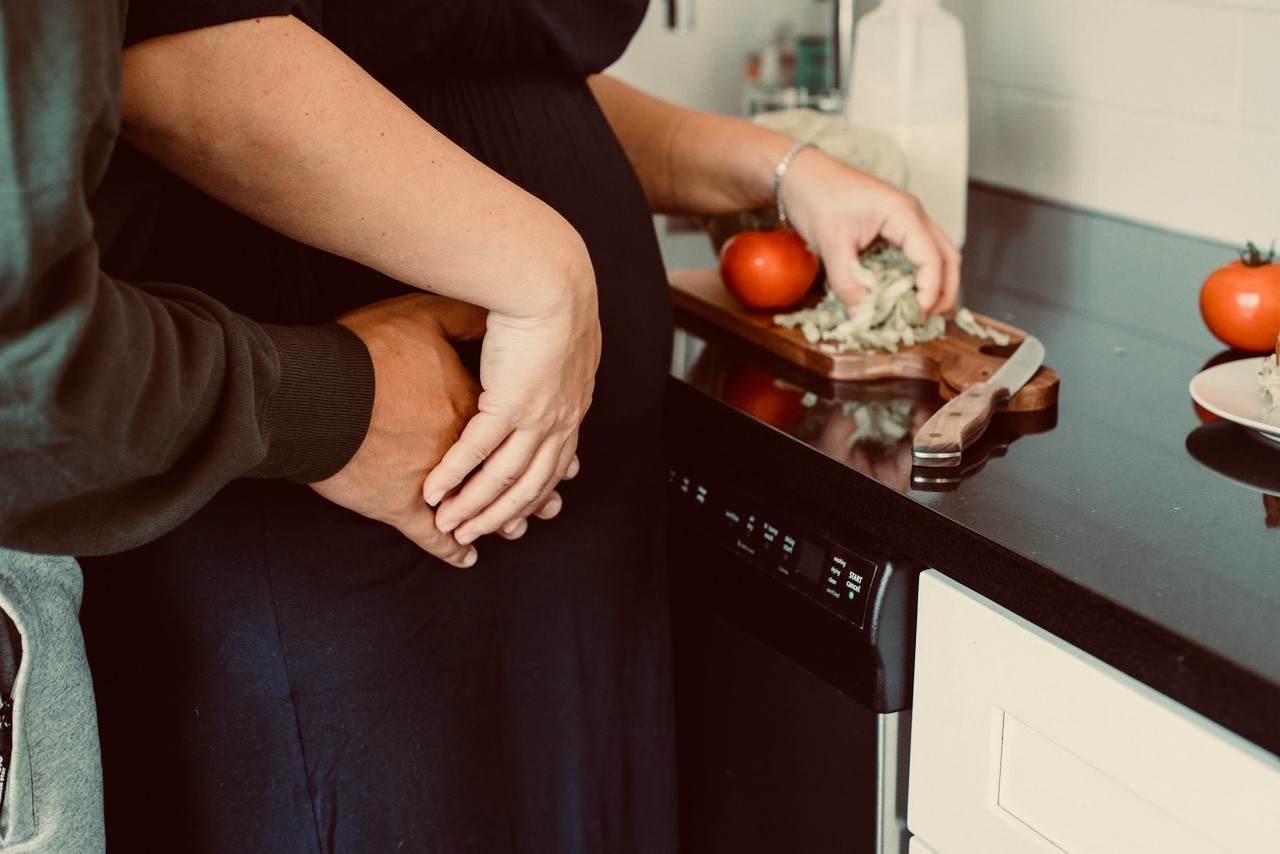
Discover how to support your partner during perimenopause with empathy, practical tips, and safe hormone therapy insights.
Discover how to support your partner during perimenopause with empathy, practical tips, and safe hormone therapy insights.
Maybe you’ve noticed it - your partner seems different lately. She’s more tired, less interested in intimacy, or tossing and turning at night. Sometimes she’s more irritable than usual, and that can be confusing. If she’s in her late 30s or 40s, chances are she’s in perimenopause - the stage before menopause when hormones start to fluctuate dramatically. For you as a partner, this can raise many questions: how do you support her in a way that actually helps rather than frustrates?
Table of contents
What exactly is perimenopause?
Why partner support makes such a difference
Hormone therapy: facts and myths
How you can make a difference in daily life
Navigating changes in intimacy together
When to seek professional help
What exactly is perimenopause?
Perimenopause is the stage when the body’s production of oestrogen and progesterone begins to fluctuate and eventually decline. These hormones do far more than regulate fertility - they also influence mood, energy, sleep, memory, bone strength and even heart health. That’s why symptoms can range from hot flushes and night sweats to brain fog, joint pain or heavy periods. It’s not just “a few extra aches and pains” - for many women, it can feel as if their entire body and mind are being shaken up.
Important to know: perimenopause is a transition phase. The symptoms can be intense, but it’s not a permanent change in who your partner is.
Why partner support makes such a difference
Perimenopause can be a lonely time for many women. It’s rarely discussed openly, and many symptoms are still underestimated - even in the medical world. That’s why partner support is so valuable. Research shows that women who feel supported experience less stress and cope better with physical and emotional changes. Often, simply having someone listen makes a difference. It’s not about fixing every problem, but about validation: “I see what you’re going through, and I’m here for you.”
Ask regularly: “How can I best support you today?” - without feeling the need to jump straight to solutions.
Hormone therapy: facts and myths
You might have heard concerns about hormone therapy (HRT). For years, people believed it automatically increased the risk of breast cancer - but science has moved on. The use of bioidentical hormones = hormones that are structurally identical to those made by the body - has been shown to be safe and may even have a protective effect against certain cancers. It also offers important benefits for heart and bone health, especially when started before the final menstrual period. This timing can reduce the risk of long-term complications.
That doesn’t mean hormone therapy is the right choice for everyone. It’s highly individual, depending on symptoms, medical history and personal preferences. But your openness to learning and willingness to accompany your partner to a doctor’s appointment can go a long way in easing her uncertainty.
How you can make a difference in daily life
Perimenopause can affect almost every part of daily life. You don’t need to take the burden off her shoulders, but you can make things lighter.
Listen without judgment. Sometimes your partner just needs to talk, not to be advised or told it’s “not that bad.”
Offer practical support. Taking over dinner or daily chores once in a while can give her some breathing room.
Help find trustworthy information. Many women feel lost in conflicting advice. Reading or preparing a doctor’s visit together can help.
Normalise the changes. Acknowledge that it’s okay for her to feel different. That takes away the pressure to act “normal.”
Navigating changes in intimacy together
Hormones also affect sexuality. Lower libido, vaginal dryness or pain can all put strain on a relationship. For you as a partner, this might feel confusing: is it about attraction, or something else? The answer is usually hormonal and physical - not personal. Intimacy doesn’t always have to mean sex. Taking time to cuddle, go for a walk together, or be physically close without expectations can be just as meaningful. Keep the conversation open. Don’t just ask “are you in the mood?” but also: “what would feel good for you right now?”
When to seek professional help
Sometimes the symptoms become so severe that they affect daily life or your relationship. That’s when extra support from a GP, gynaecologist or menopause specialist can help. You as a partner can also look for information or peer support groups. The more you understand, the less powerless you’ll feel.
Key takeaways
Perimenopause is a hormonal transition that can impact energy, emotions, relationships and overall health.
Partner support makes a real difference: listening, acknowledging and offering practical help often matter more than finding solutions.
Bioidentical hormones are safe and may even be protective; starting before the final period often brings the greatest benefits.
Intimacy may change, but emotional connection can remain strong in many other ways.
Professional help is worthwhile when symptoms become overwhelming - for both your partner and your relationship.
References:
Ong, D. S., Chua, M. T., & Shorey, S. (2020). Experiences and Needs of Perimenopausal Women With Climacteric Symptoms in Singapore: A Qualitative Study. Journal of transcultural nursing : official journal of the Transcultural Nursing Society, 31(4), 369–377. https://doi.org/10.1177/1043659619870569
Zhao, D., Liu, C., Feng, X., Hou, F., Xu, X., & Li, P. (2019). Menopausal symptoms in different substages of perimenopause and their relationships with social support and resilience. Menopause (New York, N.Y.), 26(3), 233–239. https://doi.org/10.1097/GME.0000000000001208
Nguyen, T. T. P., Phan, H. T., Vu, T. M. T., Tran, P. Q., Do, H. T., Vu, L. G., Doan, L. P., Do, H. P., Latkin, C. A., Ho, C. S. H., & Ho, R. C. M. (2022). Physical activity and social support are associated with quality of life in middle-aged women. PloS one, 17(5), e0268135. https://doi.org/10.1371/journal.pone.0268135
Maybe you’ve noticed it - your partner seems different lately. She’s more tired, less interested in intimacy, or tossing and turning at night. Sometimes she’s more irritable than usual, and that can be confusing. If she’s in her late 30s or 40s, chances are she’s in perimenopause - the stage before menopause when hormones start to fluctuate dramatically. For you as a partner, this can raise many questions: how do you support her in a way that actually helps rather than frustrates?
Table of contents
What exactly is perimenopause?
Why partner support makes such a difference
Hormone therapy: facts and myths
How you can make a difference in daily life
Navigating changes in intimacy together
When to seek professional help
What exactly is perimenopause?
Perimenopause is the stage when the body’s production of oestrogen and progesterone begins to fluctuate and eventually decline. These hormones do far more than regulate fertility - they also influence mood, energy, sleep, memory, bone strength and even heart health. That’s why symptoms can range from hot flushes and night sweats to brain fog, joint pain or heavy periods. It’s not just “a few extra aches and pains” - for many women, it can feel as if their entire body and mind are being shaken up.
Important to know: perimenopause is a transition phase. The symptoms can be intense, but it’s not a permanent change in who your partner is.
Why partner support makes such a difference
Perimenopause can be a lonely time for many women. It’s rarely discussed openly, and many symptoms are still underestimated - even in the medical world. That’s why partner support is so valuable. Research shows that women who feel supported experience less stress and cope better with physical and emotional changes. Often, simply having someone listen makes a difference. It’s not about fixing every problem, but about validation: “I see what you’re going through, and I’m here for you.”
Ask regularly: “How can I best support you today?” - without feeling the need to jump straight to solutions.
Hormone therapy: facts and myths
You might have heard concerns about hormone therapy (HRT). For years, people believed it automatically increased the risk of breast cancer - but science has moved on. The use of bioidentical hormones = hormones that are structurally identical to those made by the body - has been shown to be safe and may even have a protective effect against certain cancers. It also offers important benefits for heart and bone health, especially when started before the final menstrual period. This timing can reduce the risk of long-term complications.
That doesn’t mean hormone therapy is the right choice for everyone. It’s highly individual, depending on symptoms, medical history and personal preferences. But your openness to learning and willingness to accompany your partner to a doctor’s appointment can go a long way in easing her uncertainty.
How you can make a difference in daily life
Perimenopause can affect almost every part of daily life. You don’t need to take the burden off her shoulders, but you can make things lighter.
Listen without judgment. Sometimes your partner just needs to talk, not to be advised or told it’s “not that bad.”
Offer practical support. Taking over dinner or daily chores once in a while can give her some breathing room.
Help find trustworthy information. Many women feel lost in conflicting advice. Reading or preparing a doctor’s visit together can help.
Normalise the changes. Acknowledge that it’s okay for her to feel different. That takes away the pressure to act “normal.”
Navigating changes in intimacy together
Hormones also affect sexuality. Lower libido, vaginal dryness or pain can all put strain on a relationship. For you as a partner, this might feel confusing: is it about attraction, or something else? The answer is usually hormonal and physical - not personal. Intimacy doesn’t always have to mean sex. Taking time to cuddle, go for a walk together, or be physically close without expectations can be just as meaningful. Keep the conversation open. Don’t just ask “are you in the mood?” but also: “what would feel good for you right now?”
When to seek professional help
Sometimes the symptoms become so severe that they affect daily life or your relationship. That’s when extra support from a GP, gynaecologist or menopause specialist can help. You as a partner can also look for information or peer support groups. The more you understand, the less powerless you’ll feel.
Key takeaways
Perimenopause is a hormonal transition that can impact energy, emotions, relationships and overall health.
Partner support makes a real difference: listening, acknowledging and offering practical help often matter more than finding solutions.
Bioidentical hormones are safe and may even be protective; starting before the final period often brings the greatest benefits.
Intimacy may change, but emotional connection can remain strong in many other ways.
Professional help is worthwhile when symptoms become overwhelming - for both your partner and your relationship.
References:
Ong, D. S., Chua, M. T., & Shorey, S. (2020). Experiences and Needs of Perimenopausal Women With Climacteric Symptoms in Singapore: A Qualitative Study. Journal of transcultural nursing : official journal of the Transcultural Nursing Society, 31(4), 369–377. https://doi.org/10.1177/1043659619870569
Zhao, D., Liu, C., Feng, X., Hou, F., Xu, X., & Li, P. (2019). Menopausal symptoms in different substages of perimenopause and their relationships with social support and resilience. Menopause (New York, N.Y.), 26(3), 233–239. https://doi.org/10.1097/GME.0000000000001208
Nguyen, T. T. P., Phan, H. T., Vu, T. M. T., Tran, P. Q., Do, H. T., Vu, L. G., Doan, L. P., Do, H. P., Latkin, C. A., Ho, C. S. H., & Ho, R. C. M. (2022). Physical activity and social support are associated with quality of life in middle-aged women. PloS one, 17(5), e0268135. https://doi.org/10.1371/journal.pone.0268135
Latest posts



See all
NO COMMITMENT REQUIRED
Ready to
feel heard?
We are here for you. Plan your free intake to get started and discover if Flouria is right for you.

The care path with Flouria feels like a gift to myself.
Flouria client, 44 years old, The Netherlands
NO COMMITMENT REQUIRED
Ready to
feel heard?
We are here for you. Plan your free intake to get started and discover if Flouria is right for you.
The care path with Flouria feels like a gift to myself.
Flouria client, 44 years old, The Netherlands
NO COMMITMENT REQUIRED
Ready to
feel heard?
We are here for you. Plan your free intake to get started and discover if Flouria is right for you.

The care path with Flouria feels like a gift to myself.
Flouria client, 44 years old, The Netherlands
Continue Reading
Continue Reading
The latest handpicked blog articles

NO COMMITMENT REQUIRED
Ready to
feel heard?
We are here for you. Plan your free intake to get started and discover if Flouria is right for you.