The essential female hormones (and how they shape your daily life)
The essential female hormones (and how they shape your daily life)
Last review on
Last review on
|
|
Fertility
Fertility
Written by
Written by
| Medically reviewed by
| Medically reviewed by
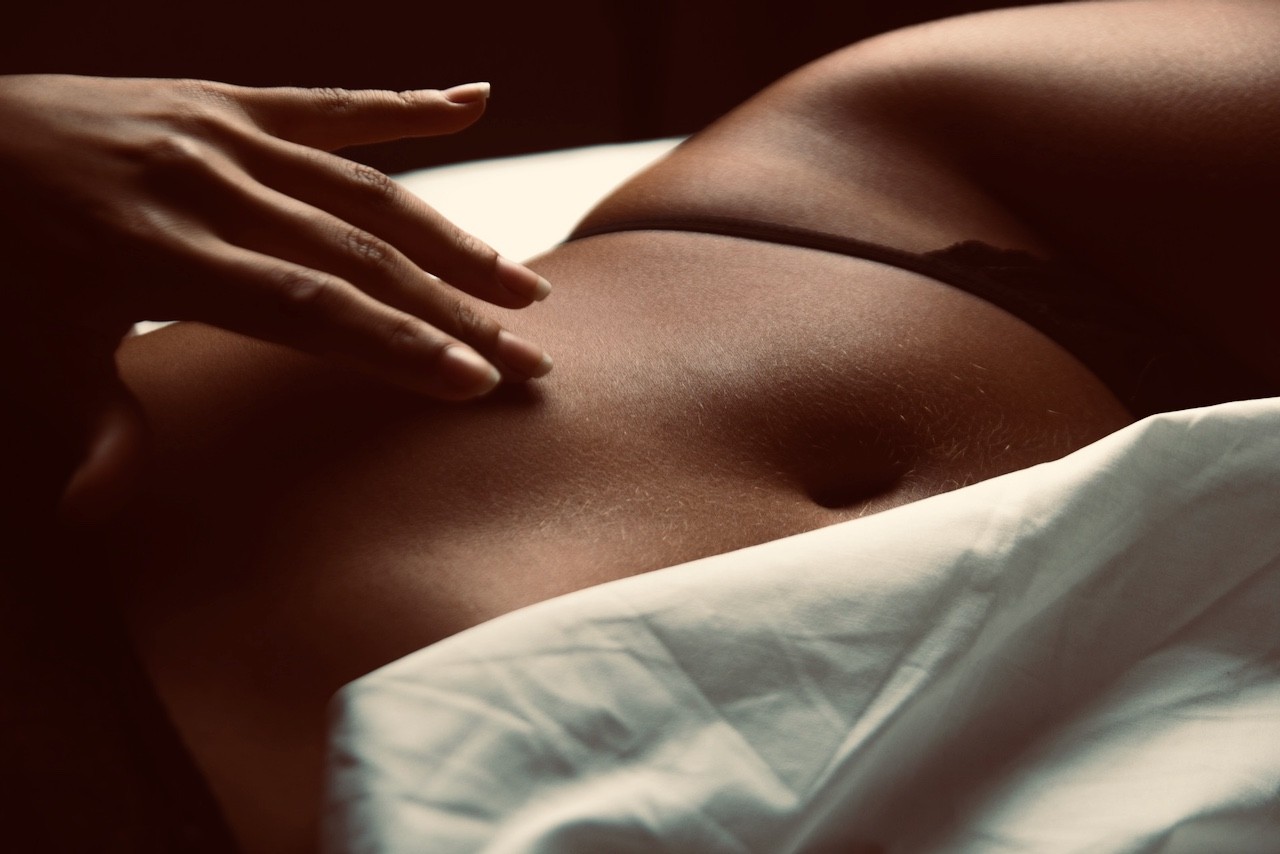
Discover how your hormones influence mood, energy, sleep and fertility, and learn how to keep them in balance throughout every life stage.
Your hormones are behind the scenes of almost everything - your energy, mood, sex drive, skin, sleep, and more. Yet most of us only start thinking about them when something feels off: when your skin breaks out, your cycle goes rogue, or your motivation suddenly disappears. This guide helps you understand the main hormones in women’s health - what they do, how they interact, and how they shape your everyday experience. Because once you understand them, you can finally stop fighting your body and start working with it.
In this article:
What hormones actually do
Oestrogen: the all-rounder
Progesterone: your natural calmer
Testosterone: not just for men
Thyroid hormones: the energy regulators
Cortisol: the stress signal
Insulin: the blood sugar balancer
LH and FSH: the fertility duo
Why understanding your hormones matters
What are hormones, anyway?
Think of hormones as your body’s internal messaging system. They carry signals from one organ to another, telling your body when to ovulate, when to build muscle, when to rest, cry, or power through. They’re made in your endocrine glands - such as your ovaries, thyroid, and adrenal glands - and released into your bloodstream to deliver those tiny but powerful instructions. Hormones thrive on balance, but that balance is delicate. Stress, poor sleep, restrictive dieting, over-exercise, or life phases like puberty, pregnancy, and menopause can all throw them off.
Oestrogen: the all-rounder
If there’s a celebrity hormone in the female body, it’s oestrogen. It regulates your menstrual cycle, supports your bones, keeps your skin supple, and even affects how your brain functions.
But there’s not just one type of oestrogen:
Estradiol (E2): dominant during your reproductive years
Estrone (E1): takes over after menopause
Estriol (E3): rises during pregnancy
Your oestrogen levels naturally rise and fall through your cycle - and throughout life. Too little or too much can cause irregular periods, mood changes, and fertility challenges.
What you might notice day to day:
Around ovulation, when oestrogen peaks, you might feel upbeat, confident, and energised.
Just before your period or during menopause, when it dips, irritability or low mood can creep in.
Oestrogen also helps your muscles use energy efficiently, making mid-cycle workouts feel easier, and sharpens focus and memory.
Beyond mood and energy, oestrogen protects your heart, strengthens your bones, and keeps your vagina healthy and well-lubricated.
Progesterone: your natural calmer
Progesterone is like your body’s built-in “chill pill.” After ovulation, levels rise to prepare the uterus for a possible pregnancy. If that doesn’t happen, progesterone drops, triggering your period.
You’ll likely notice its effects as:
Calmness and sleepiness: it promotes deep rest and eases anxiety.
Slower pace: you may feel more inward or reflective.
Digestive changes: it can relax your gut, leading to bloating or constipation before your period.
Low progesterone can contribute to PMS, anxiety, spotting between periods, or difficulties conceiving.
Sleep tip: If you sleep poorly before your period, low progesterone might be part of the puzzle. Reducing stress and eating nourishing fats (like avocado, nuts, and olive oil) can help your body make more of it naturally.
Testosterone: not just for men
Yes, women have testosterone too - made in smaller amounts by the ovaries and adrenal glands. It’s essential for libido, muscle strength, bone density, and general vitality. Too much testosterone can cause acne, excess hair growth, or irregular cycles - often seen in PCOS (polycystic ovary syndrome). Too little can lead to low energy and decreased sex drive.
Curious about PCOS? In our Flouria Learning Hub, you can explore how testosterone and insulin interact - and how lifestyle changes can support hormonal balance.
Thyroid hormones: the energy regulators
Your thyroid, a butterfly-shaped gland in your neck, produces T3 and T4 - hormones that regulate metabolism, body temperature, heart rate, and even mood. When thyroid hormones are too low (hypothyroidism), you might feel tired, cold, constipated, or gain weight. When they’re too high (hyperthyroidism), anxiety, racing heart, or weight loss can appear.
1 in 8 women will experience a thyroid issue in her lifetime. Many go undiagnosed, especially during hormonal transitions like pregnancy or menopause, when symptoms can be easily mistaken for “just being tired.”
Cortisol: the stress signal
Cortisol is your body’s stress response hormone - your built-in alarm system. It’s vital for managing energy and inflammation, but when it stays high for too long (as with chronic stress or burnout), it can disrupt everything from your cycle to your sleep. High cortisol competes with your sex hormones, which can suppress ovulation and reduce progesterone. It also increases anxiety and interferes with sleep - which in turn keeps cortisol high. A perfect storm.
Balance tip: Try winding down with a slower evening routine - less screen time, gentle stretching, and magnesium-rich foods. Cortisol should be highest in the morning and lowest at night. Helping it follow that rhythm can improve sleep, mood, and cycle regularity.
Insulin: the blood sugar balancer
Insulin, made by your pancreas, helps your body use glucose from food for energy. But if your cells stop responding properly - a state called insulin resistance - blood sugar rises, and so can testosterone. That’s why insulin resistance is a key factor in PCOS, but it can affect anyone.
Signs of insulin resistance include:
Energy crashes after meals
Sugar cravings
Belly-centred weight gain
Irregular periods
Smart carbs = happy hormones: Combine carbohydrates with healthy fats, fibre, or protein to slow glucose release and keep insulin steady. Balanced meals support your energy, mood, and hormone stability.
LH and FSH: the fertility duo
Luteinising hormone (LH) and follicle-stimulating hormone (FSH) are brain-based hormones that guide your ovaries. They work together to mature eggs, trigger ovulation, and balance oestrogen and progesterone. When stress, under-eating, or over-training disrupt them, ovulation can pause — leading to delayed or irregular periods.
Hormone testing tip: LH and FSH are often measured between days 2–5 of your cycle during fertility or hormonal assessments.
Why understanding your hormones matters
Hormones are powerful, complex, and beautifully dynamic. They don’t just fluctuate monthly - they evolve with you through every life stage. Learning to understand your hormonal patterns helps you respond with curiosity rather than frustration when things feel “off.” It’s not about controlling your hormones, but about listening to them. Whether you’re navigating your cycle, trying to conceive, entering menopause, or simply wanting steadier energy and mood - getting to know your hormones is the foundation of long-term wellbeing.
Key takeaways
Hormones affect nearly every part of your health, from sleep to mood to energy.
Balance is essential but easily disrupted by stress, lifestyle, or life phases.
Supporting your hormones starts with small daily habits — steady meals, restorative sleep, and stress care.
Understanding your hormones helps you make empowered, compassionate choices for your body.
References:
Del Río, J. P., Alliende, M. I., Molina, N., Serrano, F. G., Molina, S., & Vigil, P. (2018). Steroid Hormones and Their Action in Women's Brains: The Importance of Hormonal Balance. Frontiers in public health, 6, 141. https://doi.org/10.3389/fpubh.2018.00141
Mu, E., Chiu, L., & Kulkarni, J. (2025). Using estrogen and progesterone to treat premenstrual dysphoric disorder, postnatal depression and menopausal depression. Frontiers in pharmacology, 16, 1528544. https://doi.org/10.3389/fphar.2025.1528544
Salerni, S., Di Francescomarino, S., Cadeddu, C., Acquistapace, F., Maffei, S., & Gallina, S. (2015). The different role of sex hormones on female cardiovascular physiology and function: not only oestrogens. European journal of clinical investigation, 45(6), 634–645. https://doi.org/10.1111/eci.12447
Cassalia, F., Lunardon, A., Frattin, G., Danese, A., Caroppo, F., & Fortina, A. B. (2025). How Hormonal Balance Changes Lives in Women with Psoriasis. Journal of clinical medicine, 14(2), 582. https://doi.org/10.3390/jcm14020582
Neitzke, E. V., Dos Santos, F. G., Zanini, B. M., Cavalcante, M. B., Mason, J. B., Masternak, M. M., de Souza, I. C. C., & Schneider, A. (2025). The influence of ovarian activity and menopause on mental health: Evidence from animal models and women. Physiology & behavior, 294, 114886. https://doi.org/10.1016/j.physbeh.2025.114886
Your hormones are behind the scenes of almost everything - your energy, mood, sex drive, skin, sleep, and more. Yet most of us only start thinking about them when something feels off: when your skin breaks out, your cycle goes rogue, or your motivation suddenly disappears. This guide helps you understand the main hormones in women’s health - what they do, how they interact, and how they shape your everyday experience. Because once you understand them, you can finally stop fighting your body and start working with it.
In this article:
What hormones actually do
Oestrogen: the all-rounder
Progesterone: your natural calmer
Testosterone: not just for men
Thyroid hormones: the energy regulators
Cortisol: the stress signal
Insulin: the blood sugar balancer
LH and FSH: the fertility duo
Why understanding your hormones matters
What are hormones, anyway?
Think of hormones as your body’s internal messaging system. They carry signals from one organ to another, telling your body when to ovulate, when to build muscle, when to rest, cry, or power through. They’re made in your endocrine glands - such as your ovaries, thyroid, and adrenal glands - and released into your bloodstream to deliver those tiny but powerful instructions. Hormones thrive on balance, but that balance is delicate. Stress, poor sleep, restrictive dieting, over-exercise, or life phases like puberty, pregnancy, and menopause can all throw them off.
Oestrogen: the all-rounder
If there’s a celebrity hormone in the female body, it’s oestrogen. It regulates your menstrual cycle, supports your bones, keeps your skin supple, and even affects how your brain functions.
But there’s not just one type of oestrogen:
Estradiol (E2): dominant during your reproductive years
Estrone (E1): takes over after menopause
Estriol (E3): rises during pregnancy
Your oestrogen levels naturally rise and fall through your cycle - and throughout life. Too little or too much can cause irregular periods, mood changes, and fertility challenges.
What you might notice day to day:
Around ovulation, when oestrogen peaks, you might feel upbeat, confident, and energised.
Just before your period or during menopause, when it dips, irritability or low mood can creep in.
Oestrogen also helps your muscles use energy efficiently, making mid-cycle workouts feel easier, and sharpens focus and memory.
Beyond mood and energy, oestrogen protects your heart, strengthens your bones, and keeps your vagina healthy and well-lubricated.
Progesterone: your natural calmer
Progesterone is like your body’s built-in “chill pill.” After ovulation, levels rise to prepare the uterus for a possible pregnancy. If that doesn’t happen, progesterone drops, triggering your period.
You’ll likely notice its effects as:
Calmness and sleepiness: it promotes deep rest and eases anxiety.
Slower pace: you may feel more inward or reflective.
Digestive changes: it can relax your gut, leading to bloating or constipation before your period.
Low progesterone can contribute to PMS, anxiety, spotting between periods, or difficulties conceiving.
Sleep tip: If you sleep poorly before your period, low progesterone might be part of the puzzle. Reducing stress and eating nourishing fats (like avocado, nuts, and olive oil) can help your body make more of it naturally.
Testosterone: not just for men
Yes, women have testosterone too - made in smaller amounts by the ovaries and adrenal glands. It’s essential for libido, muscle strength, bone density, and general vitality. Too much testosterone can cause acne, excess hair growth, or irregular cycles - often seen in PCOS (polycystic ovary syndrome). Too little can lead to low energy and decreased sex drive.
Curious about PCOS? In our Flouria Learning Hub, you can explore how testosterone and insulin interact - and how lifestyle changes can support hormonal balance.
Thyroid hormones: the energy regulators
Your thyroid, a butterfly-shaped gland in your neck, produces T3 and T4 - hormones that regulate metabolism, body temperature, heart rate, and even mood. When thyroid hormones are too low (hypothyroidism), you might feel tired, cold, constipated, or gain weight. When they’re too high (hyperthyroidism), anxiety, racing heart, or weight loss can appear.
1 in 8 women will experience a thyroid issue in her lifetime. Many go undiagnosed, especially during hormonal transitions like pregnancy or menopause, when symptoms can be easily mistaken for “just being tired.”
Cortisol: the stress signal
Cortisol is your body’s stress response hormone - your built-in alarm system. It’s vital for managing energy and inflammation, but when it stays high for too long (as with chronic stress or burnout), it can disrupt everything from your cycle to your sleep. High cortisol competes with your sex hormones, which can suppress ovulation and reduce progesterone. It also increases anxiety and interferes with sleep - which in turn keeps cortisol high. A perfect storm.
Balance tip: Try winding down with a slower evening routine - less screen time, gentle stretching, and magnesium-rich foods. Cortisol should be highest in the morning and lowest at night. Helping it follow that rhythm can improve sleep, mood, and cycle regularity.
Insulin: the blood sugar balancer
Insulin, made by your pancreas, helps your body use glucose from food for energy. But if your cells stop responding properly - a state called insulin resistance - blood sugar rises, and so can testosterone. That’s why insulin resistance is a key factor in PCOS, but it can affect anyone.
Signs of insulin resistance include:
Energy crashes after meals
Sugar cravings
Belly-centred weight gain
Irregular periods
Smart carbs = happy hormones: Combine carbohydrates with healthy fats, fibre, or protein to slow glucose release and keep insulin steady. Balanced meals support your energy, mood, and hormone stability.
LH and FSH: the fertility duo
Luteinising hormone (LH) and follicle-stimulating hormone (FSH) are brain-based hormones that guide your ovaries. They work together to mature eggs, trigger ovulation, and balance oestrogen and progesterone. When stress, under-eating, or over-training disrupt them, ovulation can pause — leading to delayed or irregular periods.
Hormone testing tip: LH and FSH are often measured between days 2–5 of your cycle during fertility or hormonal assessments.
Why understanding your hormones matters
Hormones are powerful, complex, and beautifully dynamic. They don’t just fluctuate monthly - they evolve with you through every life stage. Learning to understand your hormonal patterns helps you respond with curiosity rather than frustration when things feel “off.” It’s not about controlling your hormones, but about listening to them. Whether you’re navigating your cycle, trying to conceive, entering menopause, or simply wanting steadier energy and mood - getting to know your hormones is the foundation of long-term wellbeing.
Key takeaways
Hormones affect nearly every part of your health, from sleep to mood to energy.
Balance is essential but easily disrupted by stress, lifestyle, or life phases.
Supporting your hormones starts with small daily habits — steady meals, restorative sleep, and stress care.
Understanding your hormones helps you make empowered, compassionate choices for your body.
References:
Del Río, J. P., Alliende, M. I., Molina, N., Serrano, F. G., Molina, S., & Vigil, P. (2018). Steroid Hormones and Their Action in Women's Brains: The Importance of Hormonal Balance. Frontiers in public health, 6, 141. https://doi.org/10.3389/fpubh.2018.00141
Mu, E., Chiu, L., & Kulkarni, J. (2025). Using estrogen and progesterone to treat premenstrual dysphoric disorder, postnatal depression and menopausal depression. Frontiers in pharmacology, 16, 1528544. https://doi.org/10.3389/fphar.2025.1528544
Salerni, S., Di Francescomarino, S., Cadeddu, C., Acquistapace, F., Maffei, S., & Gallina, S. (2015). The different role of sex hormones on female cardiovascular physiology and function: not only oestrogens. European journal of clinical investigation, 45(6), 634–645. https://doi.org/10.1111/eci.12447
Cassalia, F., Lunardon, A., Frattin, G., Danese, A., Caroppo, F., & Fortina, A. B. (2025). How Hormonal Balance Changes Lives in Women with Psoriasis. Journal of clinical medicine, 14(2), 582. https://doi.org/10.3390/jcm14020582
Neitzke, E. V., Dos Santos, F. G., Zanini, B. M., Cavalcante, M. B., Mason, J. B., Masternak, M. M., de Souza, I. C. C., & Schneider, A. (2025). The influence of ovarian activity and menopause on mental health: Evidence from animal models and women. Physiology & behavior, 294, 114886. https://doi.org/10.1016/j.physbeh.2025.114886
NO COMMITMENT REQUIRED
Ready to
feel heard?
We are here for you. Plan your free intake to get started and discover if Flouria is right for you.

The care path with Flouria feels like a gift to myself.
Flouria client, 44 years old, The Netherlands
NO COMMITMENT REQUIRED
Ready to
feel heard?
We are here for you. Plan your free intake to get started and discover if Flouria is right for you.

The care path with Flouria feels like a gift to myself.
Flouria client, 44 years old, The Netherlands
NO COMMITMENT REQUIRED
Ready to
feel heard?
We are here for you. Plan your free intake to get started and discover if Flouria is right for you.
The care path with Flouria feels like a gift to myself.
Flouria client, 44 years old, The Netherlands
Continue Reading
Continue Reading
The latest handpicked blog articles


NO COMMITMENT REQUIRED
Ready to
feel heard?
We are here for you. Plan your free intake to get started and discover if Flouria is right for you.