Is it good to work out during your period - even in perimenopause?
Is it good to work out during your period - even in perimenopause?
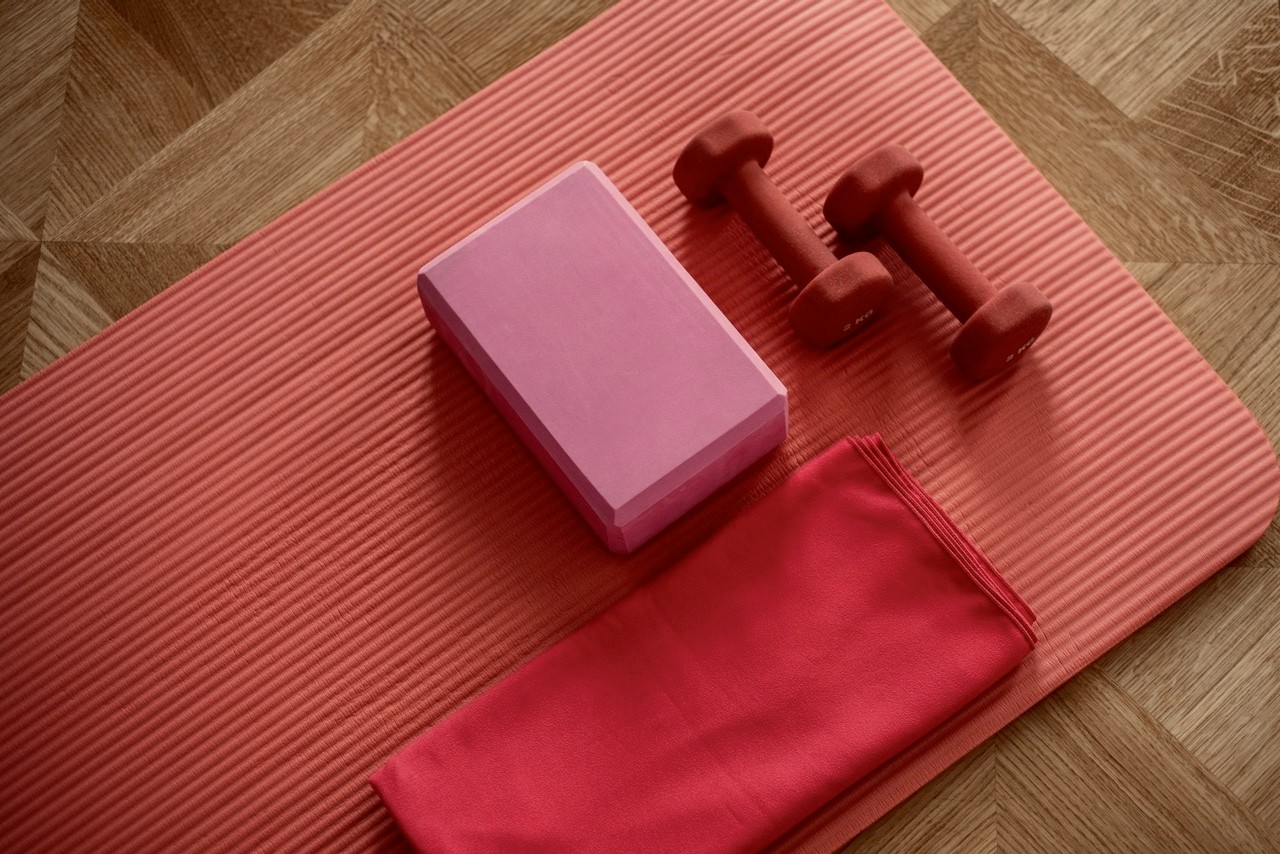
Gentle exercise during your period can ease cramps and balance hormones - especially in perimenopause. Here’s why moving your body helps.
Gentle exercise during your period can ease cramps and balance hormones - especially in perimenopause. Here’s why moving your body helps.
You might not feel like working out when your period hits - especially if cramps, bloating, or fatigue are part of your monthly routine. But here’s something you might not expect: gentle exercise during menstruation can actually ease the pain, boost your mood, and help your body cope better with hormonal shifts, particularly if you’re in perimenopause.
Table of contents
Why periods can feel worse during perimenopause
How exercise helps relieve period pain
The best kinds of movement during menstruation
Tips for staying active when you’d rather curl up
When to rest instead
Why periods can feel worse during perimenopause
Perimenopause - the years leading up to menopause - is when your hormone levels start to fluctuate more dramatically. Oestrogen and progesterone rise and fall unpredictably, and that instability can make periods heavier, longer, and more painful than before. Inflammation also tends to increase in this phase of life, which can make cramps more intense. You might feel more bloated, fatigued, or achy than usual - especially in the days leading up to bleeding.
Fun fact: Higher levels of prostaglandins - the compounds that trigger your uterus to contract are one reason cramps can feel stronger. Exercise helps reduce these naturally.
How exercise helps relieve period pain
It may sound counterintuitive, but moving your body during menstruation can work like medicine. Physical activity increases blood flow, reduces inflammation, and triggers the release of endorphins - your body’s natural painkillers. Exercise also supports hormonal balance by improving insulin sensitivity and reducing cortisol (the stress hormone), which in turn helps regulate oestrogen and progesterone more smoothly over time. In perimenopause, this is especially valuable. Regular movement helps counter weight changes, joint stiffness, and mood swings linked to fluctuating hormones. Think of it as helping your body process hormones more efficiently - instead of letting them linger and cause inflammation.
Real talk: Even a 20-minute walk can make a difference. You don’t need a “perfect” workout -consistency and kindness to your body matter most.
The best kinds of movement during menstruation
When you’re bleeding, it’s not the time to push for personal bests. But gentle, rhythmic exercise can be a real ally.
Yoga and stretching: Ease cramps and improve circulation, especially with poses that open your hips and lower back.
Walking or light cycling: Helps oxygenate muscles and lift your mood.
Swimming: Relieves pressure on your joints while calming the nervous system.
Pilates or low-intensity strength work: Keeps your core strong and supports pelvic health without straining your body.
If your energy rises towards the end of your period, you can slowly return to more vigorous exercise like running or weight training.
Tip: Try syncing your workouts with your cycle. During menstruation, go gentle; in your follicular phase (after your period), ramp it up gradually.
Tips for staying active when you’d rather curl up
Let’s be honest - there will be days when the idea of movement feels impossible. That’s okay. But if you can, reframe “exercise” as self-care rather than something to endure.
Focus on how it makes you feel afterwards, not on calorie burn or performance.
Dress comfortably - high-waisted leggings and breathable fabrics help reduce bloating discomfort.
Stay hydrated and keep a small snack nearby if you feel lightheaded.
If cramps hit hard, use a warm compress for 10–15 minutes before moving.
Even short bursts - like 10 minutes of gentle stretching or walking - can trigger endorphins and ease tension.
When to rest instead
There are moments when rest is the better choice. If you’re dizzy, bleeding heavily, or in significant pain, prioritise recovery. Listen to your body - it knows when to move and when to pause. Resting doesn’t mean you’re being lazy; it’s part of supporting hormonal health. You might find that alternating light movement with periods of rest throughout your cycle actually helps regulate your energy overall.
Remember: Exercise during your period isn’t about “pushing through” - it’s about partnership with your body. Movement can be medicine when done with care.
Key takeaways
During perimenopause, fluctuating hormones can make periods more painful.
Exercise increases blood flow, lowers inflammation, and releases endorphins that ease cramps.
Gentle movement like walking, yoga, and swimming is ideal during menstruation.
Consistency - not intensity - is what supports hormonal balance and overall wellbeing.
Rest when needed. Your cycle is a guide, not a rulebook.
References:
Philip, A. E., Singh, H., Nanjundiah, S. Y., Samudrala, P. C., Theunissen, W., Robinson, J., & Banerjee, I. (2025). Impact of Exercise on Perimenopausal Syndrome: A Systematic Review of Randomized Controlled Trials. Cureus, 17(3), e80862. https://doi.org/10.7759/cureus.80862
Nguyen, T. T. P., Phan, H. T., Vu, T. M. T., Tran, P. Q., Do, H. T., Vu, L. G., Doan, L. P., Do, H. P., Latkin, C. A., Ho, C. S. H., & Ho, R. C. M. (2022). Physical activity and social support are associated with quality of life in middle-aged women. PloS one, 17(5), e0268135. https://doi.org/10.1371/journal.pone.0268135
Li, S., Holm, K., Gulanick, M., Lanuza, D., & Penckofer, S. (1999). The relationship between physical activity and perimenopause. Health care for women international, 20(2), 163–178. https://doi.org/10.1080/073993399245863
Wang, Y., Shan, W., Li, Q., Yang, N., & Shan, W. (2017). Tai Chi Exercise for the Quality of Life in a Perimenopausal Women Organization: A Systematic Review. Worldviews on evidence-based nursing, 14(4), 294–305. https://doi.org/10.1111/wvn.12234
You might not feel like working out when your period hits - especially if cramps, bloating, or fatigue are part of your monthly routine. But here’s something you might not expect: gentle exercise during menstruation can actually ease the pain, boost your mood, and help your body cope better with hormonal shifts, particularly if you’re in perimenopause.
Table of contents
Why periods can feel worse during perimenopause
How exercise helps relieve period pain
The best kinds of movement during menstruation
Tips for staying active when you’d rather curl up
When to rest instead
Why periods can feel worse during perimenopause
Perimenopause - the years leading up to menopause - is when your hormone levels start to fluctuate more dramatically. Oestrogen and progesterone rise and fall unpredictably, and that instability can make periods heavier, longer, and more painful than before. Inflammation also tends to increase in this phase of life, which can make cramps more intense. You might feel more bloated, fatigued, or achy than usual - especially in the days leading up to bleeding.
Fun fact: Higher levels of prostaglandins - the compounds that trigger your uterus to contract are one reason cramps can feel stronger. Exercise helps reduce these naturally.
How exercise helps relieve period pain
It may sound counterintuitive, but moving your body during menstruation can work like medicine. Physical activity increases blood flow, reduces inflammation, and triggers the release of endorphins - your body’s natural painkillers. Exercise also supports hormonal balance by improving insulin sensitivity and reducing cortisol (the stress hormone), which in turn helps regulate oestrogen and progesterone more smoothly over time. In perimenopause, this is especially valuable. Regular movement helps counter weight changes, joint stiffness, and mood swings linked to fluctuating hormones. Think of it as helping your body process hormones more efficiently - instead of letting them linger and cause inflammation.
Real talk: Even a 20-minute walk can make a difference. You don’t need a “perfect” workout -consistency and kindness to your body matter most.
The best kinds of movement during menstruation
When you’re bleeding, it’s not the time to push for personal bests. But gentle, rhythmic exercise can be a real ally.
Yoga and stretching: Ease cramps and improve circulation, especially with poses that open your hips and lower back.
Walking or light cycling: Helps oxygenate muscles and lift your mood.
Swimming: Relieves pressure on your joints while calming the nervous system.
Pilates or low-intensity strength work: Keeps your core strong and supports pelvic health without straining your body.
If your energy rises towards the end of your period, you can slowly return to more vigorous exercise like running or weight training.
Tip: Try syncing your workouts with your cycle. During menstruation, go gentle; in your follicular phase (after your period), ramp it up gradually.
Tips for staying active when you’d rather curl up
Let’s be honest - there will be days when the idea of movement feels impossible. That’s okay. But if you can, reframe “exercise” as self-care rather than something to endure.
Focus on how it makes you feel afterwards, not on calorie burn or performance.
Dress comfortably - high-waisted leggings and breathable fabrics help reduce bloating discomfort.
Stay hydrated and keep a small snack nearby if you feel lightheaded.
If cramps hit hard, use a warm compress for 10–15 minutes before moving.
Even short bursts - like 10 minutes of gentle stretching or walking - can trigger endorphins and ease tension.
When to rest instead
There are moments when rest is the better choice. If you’re dizzy, bleeding heavily, or in significant pain, prioritise recovery. Listen to your body - it knows when to move and when to pause. Resting doesn’t mean you’re being lazy; it’s part of supporting hormonal health. You might find that alternating light movement with periods of rest throughout your cycle actually helps regulate your energy overall.
Remember: Exercise during your period isn’t about “pushing through” - it’s about partnership with your body. Movement can be medicine when done with care.
Key takeaways
During perimenopause, fluctuating hormones can make periods more painful.
Exercise increases blood flow, lowers inflammation, and releases endorphins that ease cramps.
Gentle movement like walking, yoga, and swimming is ideal during menstruation.
Consistency - not intensity - is what supports hormonal balance and overall wellbeing.
Rest when needed. Your cycle is a guide, not a rulebook.
References:
Philip, A. E., Singh, H., Nanjundiah, S. Y., Samudrala, P. C., Theunissen, W., Robinson, J., & Banerjee, I. (2025). Impact of Exercise on Perimenopausal Syndrome: A Systematic Review of Randomized Controlled Trials. Cureus, 17(3), e80862. https://doi.org/10.7759/cureus.80862
Nguyen, T. T. P., Phan, H. T., Vu, T. M. T., Tran, P. Q., Do, H. T., Vu, L. G., Doan, L. P., Do, H. P., Latkin, C. A., Ho, C. S. H., & Ho, R. C. M. (2022). Physical activity and social support are associated with quality of life in middle-aged women. PloS one, 17(5), e0268135. https://doi.org/10.1371/journal.pone.0268135
Li, S., Holm, K., Gulanick, M., Lanuza, D., & Penckofer, S. (1999). The relationship between physical activity and perimenopause. Health care for women international, 20(2), 163–178. https://doi.org/10.1080/073993399245863
Wang, Y., Shan, W., Li, Q., Yang, N., & Shan, W. (2017). Tai Chi Exercise for the Quality of Life in a Perimenopausal Women Organization: A Systematic Review. Worldviews on evidence-based nursing, 14(4), 294–305. https://doi.org/10.1111/wvn.12234
Latest posts


See all
NO COMMITMENT REQUIRED
Ready to
feel heard?
We are here for you. Plan your free intake to get started and discover if Flouria is right for you.

The care path with Flouria feels like a gift to myself.
Flouria client, 44 years old, The Netherlands
NO COMMITMENT REQUIRED
Ready to
feel heard?
We are here for you. Plan your free intake to get started and discover if Flouria is right for you.
The care path with Flouria feels like a gift to myself.
Flouria client, 44 years old, The Netherlands
NO COMMITMENT REQUIRED
Ready to
feel heard?
We are here for you. Plan your free intake to get started and discover if Flouria is right for you.
The care path with Flouria feels like a gift to myself.
Flouria client, 44 years old, The Netherlands
Continue Reading
Continue Reading
The latest handpicked blog articles

NO COMMITMENT REQUIRED
Ready to
feel heard?
We are here for you. Plan your free intake to get started and discover if Flouria is right for you.