Joint and muscle pain in perimenopause: Why it happens and what you can do
Joint and muscle pain in perimenopause: Why it happens and what you can do
Joint and muscle pain is a common symptom of perimenopause, linked to hormonal changes like declining oestrogen. Learn why it happens, how it feels, and the best lifestyle and medical options for relief.
Joint and muscle pain is a common symptom of perimenopause, linked to hormonal changes like declining oestrogen. Learn why it happens, how it feels, and the best lifestyle and medical options for relief.
Have you ever woken up stiff and achy, wondering if you slept in a weird position - only for it to become a daily occurrence? For many women, perimenopause brings new aches and pains in joints and muscles that feel like they came out of nowhere. It can be worrying, especially if you’ve always been active and healthy. The truth is, you’re not alone. Up to half of women report joint or muscle pain during perimenopause and menopause, and hormones play a big role.
In this article, we’ll look at why joint and muscle pain happens in perimenopause, what it feels like, and what can actually help.
Table of contents
Why perimenopause can trigger aches and pains
What joint and muscle pain feels like in this stage of life
The role of hormones and inflammation
Lifestyle choices that can ease symptoms
When to seek extra help
Why perimenopause can trigger aches and pains
As oestrogen levels begin to fluctuate and decline, many women notice their bodies feeling stiffer and less resilient. Oestrogen supports joint lubrication, keeps cartilage strong, and helps regulate inflammation. Without its protective effect, joints can feel dry and painful, while muscles recover more slowly from strain. These pains often creep in gradually - morning stiffness, a sore back after sitting too long, or knees that complain on the stairs. They can be frustrating if you’re used to feeling strong and capable. Importantly, the pain doesn’t mean you’re falling apart. It’s your body adjusting to a new hormonal environment.
What joint and muscle pain feels like
Perimenopausal joint pain doesn’t always look the same for everyone. For some, it’s a dull ache in the shoulders or hips. For others, it’s a sharp stiffness in the knees or wrists. Women often describe:
Morning stiffness that eases as the day goes on
Migrating pain, where discomfort moves from one joint to another
Muscle aches after even gentle activity
Reduced grip or strength, making everyday tasks feel harder
Did you know that hormone-related pain can sometimes mimic or overlap with conditions like early arthritis or fibromyalgia? If pain is severe, persistent, or paired with swelling, it’s worth getting checked to rule out other causes.
The role of hormones and inflammation
Oestrogen is the star player here. Beyond its reproductive role, oestrogen helps maintain collagen, which cushions cartilage and supports connective tissue. With less collagen, joints can feel stiffer and more vulnerable to wear and tear. Oestrogen also helps to calm inflammation in the body. Lower levels of oestrogen can tip the balance toward a more inflammatory state, leading to aches that feel similar to arthritis. Progesterone, which also falls during perimenopause, normally helps relax muscles and the nervous system, but its absence can lead to muscle tightness. And testosterone, which supports muscle mass and bone strength, gradually decreases with age, leaving women more prone to aches and loss of strength. Together, these shifts can lead to all kinds of new joint and muscle pains.
Research suggests that women are more likely to develop osteoarthritis after menopause, partly due to these hormonal changes. That’s why paying attention to your joint health early can make a big difference.
Lifestyle choices that can ease symptoms
While you can’t fully stop hormonal decline, there are many ways to support your body:
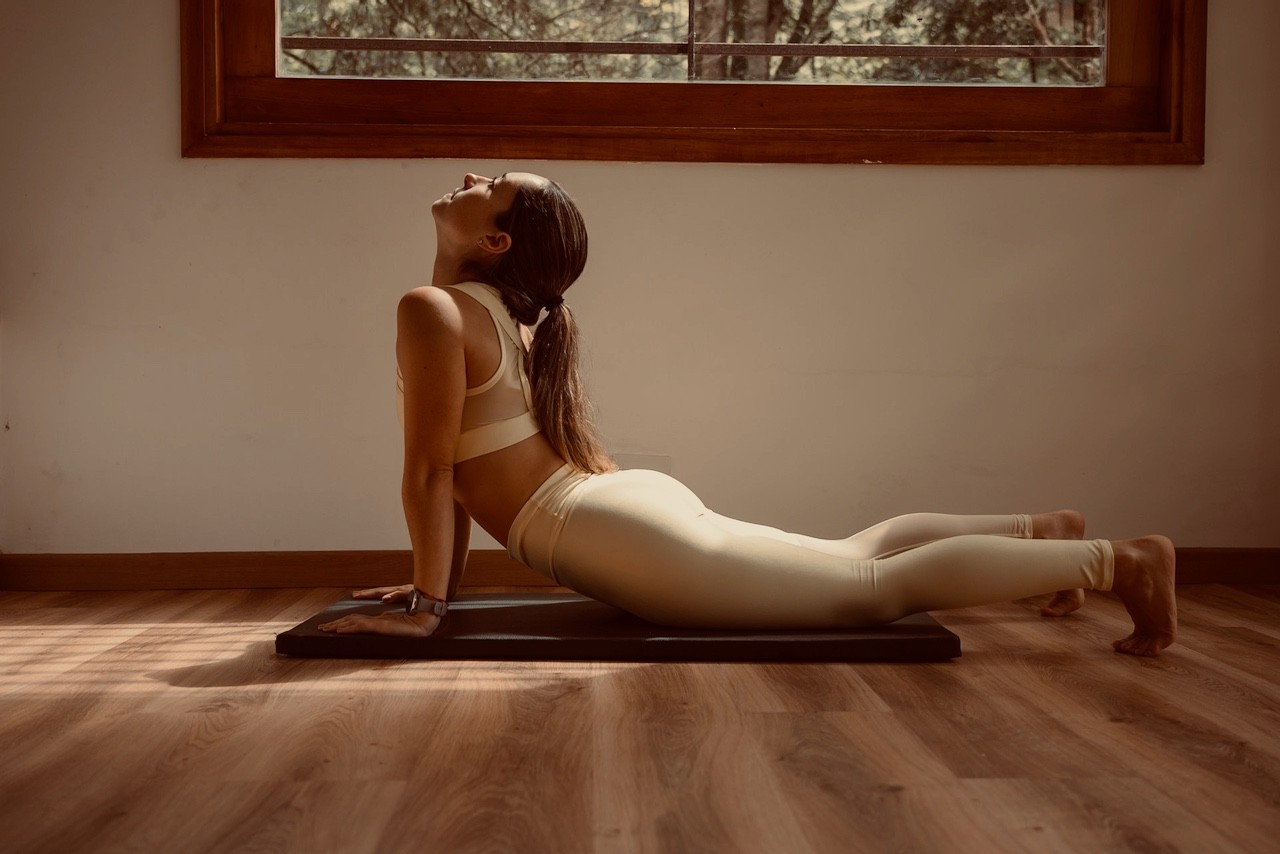
Stay active: Movement helps keep joints lubricated and muscles strong. Gentle, regular activity - like yoga, swimming, or brisk walking - often works better than high-impact exercise.
Build strength: Resistance training protects joints by supporting them with stronger muscles. Even light weights or resistance bands can help.
Prioritise anti-inflammatory foods: Think oily fish, olive oil, nuts, seeds, and colourful vegetables. Processed foods and excess sugar can fan the flames of inflammation.
Mind your posture: Desk work and screen time can worsen stiffness. Stretch breaks or ergonomic adjustments can reduce everyday strain.
Support your bones: Vitamin D, calcium, and magnesium are key nutrients for bones and muscles. Low vitamin D is especially linked with higher pain levels.
Hydrate and rest: Dehydration can worsen muscle cramps, while poor sleep increases pain sensitivity. Creating a calming bedtime routine can help.
Tip: Heat often soothes perimenopausal joint pain. A warm shower in the morning, a hot water bottle at night, or gentle stretching before bed can make a noticeable difference.
When to seek extra help
If pain is stopping you from exercising, working, or sleeping, don’t feel you have to just push through. Talk to your GP or a menopause specialist. Options may include:
Hormone replacement therapy (HRT): By topping up oestrogen, HRT can restore some of its protective effects on joints and often eases aches within weeks.
Physiotherapy: Targeted exercises and stretches can strengthen weak areas and improve mobility.
Pain management support: From anti-inflammatories to lifestyle coaching, there are ways to manage flare-ups while addressing the root causes.
It’s worth remembering that not all pain is “just menopause.” New or worsening symptoms should always be checked to rule out arthritis, autoimmune conditions, or injuries.
Key takeaways
Joint and muscle pain is a common but often overlooked symptom of perimenopause.
Hormonal shifts, especially declining oestrogen, reduce lubrication and collagen while increasing inflammation.
Symptoms include stiffness, migrating pain, muscle aches, and reduced strength.
Lifestyle habits - movement, diet, rest, and nutrients - make a real difference.
HRT and physiotherapy are highly effective options if lifestyle changes aren’t enough.
You don’t have to just “live with it”- support and relief are available.
References:
Lu, C. B., Liu, P. F., Zhou, Y. S., Meng, F. C., Qiao, T. Y., Yang, X. J., Li, X. Y., Xue, Q., Xu, H., Liu, Y., Han, Y., & Zhang, Y. (2020). Musculoskeletal Pain during the Menopausal Transition: A Systematic Review and Meta-Analysis. Neural plasticity, 2020, 8842110. https://doi.org/10.1155/2020/8842110
Terauchi, M., Odai, T., Hirose, A., Kato, K., Akiyoshi, M., & Miyasaka, N. (2020). Muscle and joint pains in middle-aged women are associated with insomnia and low grip strength: a cross-sectional study. Journal of psychosomatic obstetrics and gynaecology, 41(1), 15–21. https://doi.org/10.1080/0167482X.2018.1530211
King, E. M., Kaida, A., Prior, J., Albert, A., Frank, P., Abdul-Noor, R., Kwaramba, G., Gormley, R., de Pokomandy, A., Loutfy, M., & Murray, M. C. M. (2022). Resilience and psychosocial factors linked to symptom experience during the menopause transition for women living with HIV. Menopause (New York, N.Y.), 29(4), 430–439. https://doi.org/10.1097/GME.0000000000001926
Have you ever woken up stiff and achy, wondering if you slept in a weird position - only for it to become a daily occurrence? For many women, perimenopause brings new aches and pains in joints and muscles that feel like they came out of nowhere. It can be worrying, especially if you’ve always been active and healthy. The truth is, you’re not alone. Up to half of women report joint or muscle pain during perimenopause and menopause, and hormones play a big role.
In this article, we’ll look at why joint and muscle pain happens in perimenopause, what it feels like, and what can actually help.
Table of contents
Why perimenopause can trigger aches and pains
What joint and muscle pain feels like in this stage of life
The role of hormones and inflammation
Lifestyle choices that can ease symptoms
When to seek extra help
Why perimenopause can trigger aches and pains
As oestrogen levels begin to fluctuate and decline, many women notice their bodies feeling stiffer and less resilient. Oestrogen supports joint lubrication, keeps cartilage strong, and helps regulate inflammation. Without its protective effect, joints can feel dry and painful, while muscles recover more slowly from strain. These pains often creep in gradually - morning stiffness, a sore back after sitting too long, or knees that complain on the stairs. They can be frustrating if you’re used to feeling strong and capable. Importantly, the pain doesn’t mean you’re falling apart. It’s your body adjusting to a new hormonal environment.
What joint and muscle pain feels like
Perimenopausal joint pain doesn’t always look the same for everyone. For some, it’s a dull ache in the shoulders or hips. For others, it’s a sharp stiffness in the knees or wrists. Women often describe:
Morning stiffness that eases as the day goes on
Migrating pain, where discomfort moves from one joint to another
Muscle aches after even gentle activity
Reduced grip or strength, making everyday tasks feel harder
Did you know that hormone-related pain can sometimes mimic or overlap with conditions like early arthritis or fibromyalgia? If pain is severe, persistent, or paired with swelling, it’s worth getting checked to rule out other causes.
The role of hormones and inflammation
Oestrogen is the star player here. Beyond its reproductive role, oestrogen helps maintain collagen, which cushions cartilage and supports connective tissue. With less collagen, joints can feel stiffer and more vulnerable to wear and tear. Oestrogen also helps to calm inflammation in the body. Lower levels of oestrogen can tip the balance toward a more inflammatory state, leading to aches that feel similar to arthritis. Progesterone, which also falls during perimenopause, normally helps relax muscles and the nervous system, but its absence can lead to muscle tightness. And testosterone, which supports muscle mass and bone strength, gradually decreases with age, leaving women more prone to aches and loss of strength. Together, these shifts can lead to all kinds of new joint and muscle pains.
Research suggests that women are more likely to develop osteoarthritis after menopause, partly due to these hormonal changes. That’s why paying attention to your joint health early can make a big difference.
Lifestyle choices that can ease symptoms
While you can’t fully stop hormonal decline, there are many ways to support your body:
Stay active: Movement helps keep joints lubricated and muscles strong. Gentle, regular activity - like yoga, swimming, or brisk walking - often works better than high-impact exercise.
Build strength: Resistance training protects joints by supporting them with stronger muscles. Even light weights or resistance bands can help.
Prioritise anti-inflammatory foods: Think oily fish, olive oil, nuts, seeds, and colourful vegetables. Processed foods and excess sugar can fan the flames of inflammation.
Mind your posture: Desk work and screen time can worsen stiffness. Stretch breaks or ergonomic adjustments can reduce everyday strain.
Support your bones: Vitamin D, calcium, and magnesium are key nutrients for bones and muscles. Low vitamin D is especially linked with higher pain levels.
Hydrate and rest: Dehydration can worsen muscle cramps, while poor sleep increases pain sensitivity. Creating a calming bedtime routine can help.
Tip: Heat often soothes perimenopausal joint pain. A warm shower in the morning, a hot water bottle at night, or gentle stretching before bed can make a noticeable difference.
When to seek extra help
If pain is stopping you from exercising, working, or sleeping, don’t feel you have to just push through. Talk to your GP or a menopause specialist. Options may include:
Hormone replacement therapy (HRT): By topping up oestrogen, HRT can restore some of its protective effects on joints and often eases aches within weeks.
Physiotherapy: Targeted exercises and stretches can strengthen weak areas and improve mobility.
Pain management support: From anti-inflammatories to lifestyle coaching, there are ways to manage flare-ups while addressing the root causes.
It’s worth remembering that not all pain is “just menopause.” New or worsening symptoms should always be checked to rule out arthritis, autoimmune conditions, or injuries.
Key takeaways
Joint and muscle pain is a common but often overlooked symptom of perimenopause.
Hormonal shifts, especially declining oestrogen, reduce lubrication and collagen while increasing inflammation.
Symptoms include stiffness, migrating pain, muscle aches, and reduced strength.
Lifestyle habits - movement, diet, rest, and nutrients - make a real difference.
HRT and physiotherapy are highly effective options if lifestyle changes aren’t enough.
You don’t have to just “live with it”- support and relief are available.
References:
Lu, C. B., Liu, P. F., Zhou, Y. S., Meng, F. C., Qiao, T. Y., Yang, X. J., Li, X. Y., Xue, Q., Xu, H., Liu, Y., Han, Y., & Zhang, Y. (2020). Musculoskeletal Pain during the Menopausal Transition: A Systematic Review and Meta-Analysis. Neural plasticity, 2020, 8842110. https://doi.org/10.1155/2020/8842110
Terauchi, M., Odai, T., Hirose, A., Kato, K., Akiyoshi, M., & Miyasaka, N. (2020). Muscle and joint pains in middle-aged women are associated with insomnia and low grip strength: a cross-sectional study. Journal of psychosomatic obstetrics and gynaecology, 41(1), 15–21. https://doi.org/10.1080/0167482X.2018.1530211
King, E. M., Kaida, A., Prior, J., Albert, A., Frank, P., Abdul-Noor, R., Kwaramba, G., Gormley, R., de Pokomandy, A., Loutfy, M., & Murray, M. C. M. (2022). Resilience and psychosocial factors linked to symptom experience during the menopause transition for women living with HIV. Menopause (New York, N.Y.), 29(4), 430–439. https://doi.org/10.1097/GME.0000000000001926
Latest posts


See all
NO COMMITMENT REQUIRED
Ready to
feel heard?
We are here for you. Plan your free intake to get started and discover if Flouria is right for you.

The care path with Flouria feels like a gift to myself.
Flouria client, 44 years old, The Netherlands
NO COMMITMENT REQUIRED
Ready to
feel heard?
We are here for you. Plan your free intake to get started and discover if Flouria is right for you.
The care path with Flouria feels like a gift to myself.
Flouria client, 44 years old, The Netherlands
NO COMMITMENT REQUIRED
Ready to
feel heard?
We are here for you. Plan your free intake to get started and discover if Flouria is right for you.

The care path with Flouria feels like a gift to myself.
Flouria client, 44 years old, The Netherlands
Continue Reading
Continue Reading
The latest handpicked blog articles

NO COMMITMENT REQUIRED
Ready to
feel heard?
We are here for you. Plan your free intake to get started and discover if Flouria is right for you.