Why does your skin change in perimenopause, and what can you do about it?
Why does your skin change in perimenopause, and what can you do about it?
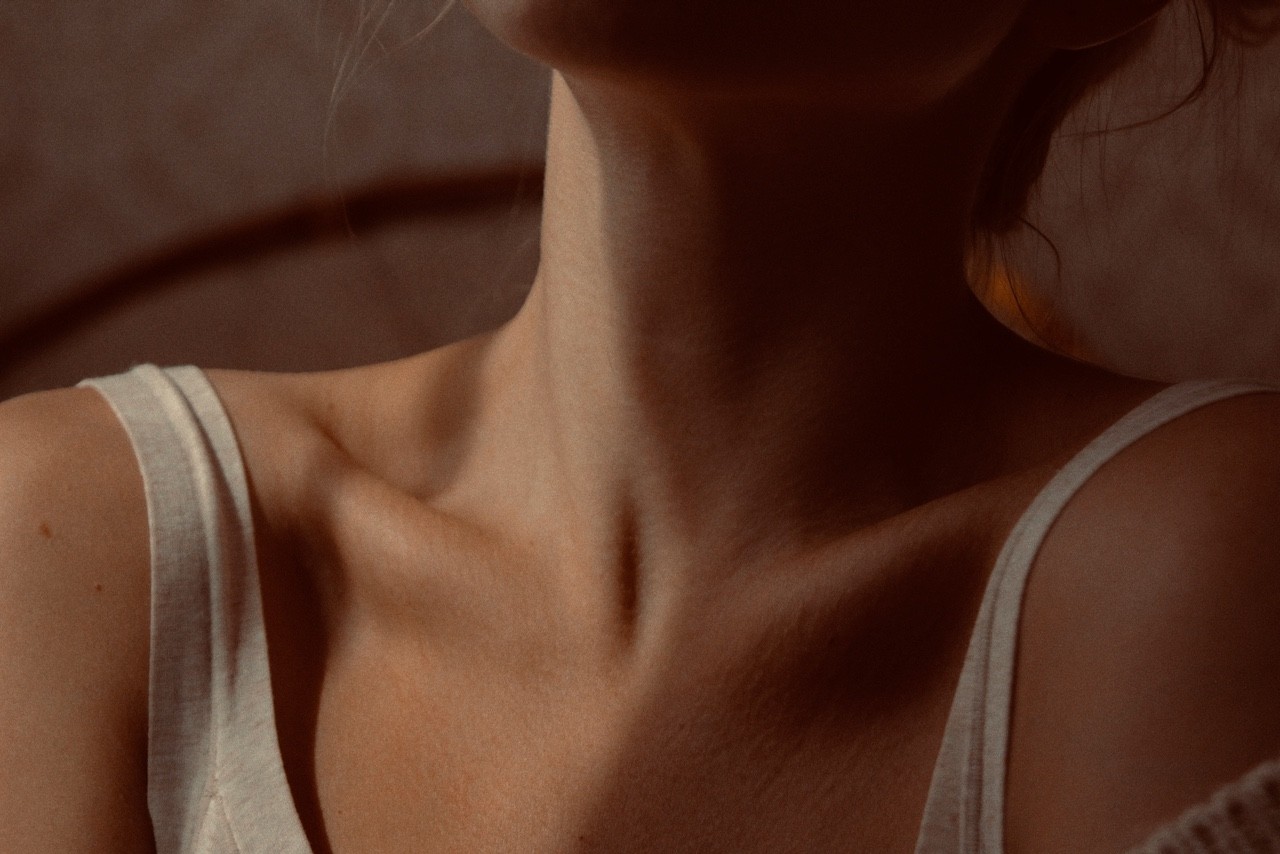
Discover how perimenopause affects your skin and what you can do to care for it. Learn about common skin changes like dryness, breakouts and pigmentation, plus simple tips to keep your skin healthy and glowing.
Discover how perimenopause affects your skin and what you can do to care for it. Learn about common skin changes like dryness, breakouts and pigmentation, plus simple tips to keep your skin healthy and glowing.
If you’ve started noticing that your skin feels different in your 40s - maybe drier, less firm, or more breakout-prone - you’re not imagining it. Perimenopause, the years leading up to menopause, brings hormonal changes that can have a big impact on your skin. Understanding what’s happening can help you feel more in control and find ways to care for your skin with kindness.
Table of contents
Why hormones affect your skin in perimenopause
Common skin changes in perimenopause
How to support your skin during this transition
When to seek professional help
Key takeaways
Why hormones affect your skin in perimenopause
Oestrogen and progesterone are the key hormones that start to decline during perimenopause. Both play a role in how your skin looks and feels. Oestrogen helps maintain collagen, elastin, and natural moisture, while progesterone influences oil production. As hormone levels fluctuate, your skin may start to behave in new (and sometimes frustrating) ways.
Common skin changes in perimenopause
Many women notice their skin becoming drier and more sensitive. Fine lines and wrinkles can appear more quickly because collagen levels drop, reducing the skin’s firmness and elasticity. On the flip side, fluctuating progesterone can sometimes increase oiliness, leading to breakouts that feel reminiscent of teenage years.
Another change many don’t expect is slower healing. Small cuts or blemishes may take longer to fade. You might also notice more pigmentation, such as age spots, due to the combined effects of hormones and sun exposure over time.
How to support your skin during this transition
Caring for your skin in perimenopause doesn’t have to mean a complete reboot of your routine. Gentle, consistent routines often work best. Think about hydration first: use a moisturiser that supports your skin barrier and avoid overly harsh cleansers. Sunscreen is a non-negotiable, since your skin may be more prone to pigmentation. Lifestyle factors play a big role, too. Staying hydrated, eating nutrient-rich foods, and managing stress all contribute to healthier skin. Movement supports circulation, which helps skin look more radiant.
Ingredients such as hyaluronic acid, which helps with hydration, and retinoids, which can support collagen production, may also be helpful at this stage. It’s best to introduce them gradually, since skin can be more sensitive and prone to irritation during perimenopause.
When to seek professional help
If skin changes are causing discomfort or impacting your confidence, consider speaking to a dermatologist. Persistent acne, severe dryness, or sudden rashes aren’t something you just have to live with. A professional can recommend treatments that fit your skin’s changing needs.
Key takeaways
Hormonal changes in perimenopause affect collagen, oil balance, and skin hydration.
Dryness, sensitivity, breakouts, and pigmentation are common during this stage.
Gentle skincare, sun protection, and healthy lifestyle habits can make a real difference.
If symptoms feel unmanageable, professional support can help you find relief.
References:
Viscomi, B., Muniz, M., & Sattler, S. (2025). Managing Menopausal Skin Changes: A Narrative Review of Skin Quality Changes, Their Aesthetic Impact, and the Actual Role of Hormone Replacement Therapy in Improvement. Journal of cosmetic dermatology, 24 Suppl 4(Suppl 4), e70393. https://doi.org/10.1111/jocd.70393
Porada, D., Gołacki, J., & Matyjaszek-Matuszek, B. (2023). Obesity in perimenopause - current treatment options based on pathogenetic factors. Endokrynologia Polska, 74(6), 10.5603/ep.96679. https://doi.org/10.5603/ep.96679
Flament, F., Jiang, R., Delaunay, C., Kerob, D., Leclerc-Mercier, S., Kosmadaki, M., Roó, E., Haag, T., Passeron, T., & Zouboulis, C. C. (2023). Evaluation of adapted dermocosmetic regimens for perimenopausal and menopausal women using an artificial intelligence-based algorithm and quality of life questionnaires: An open observational study. Skin research and technology : official journal of International Society for Bioengineering and the Skin (ISBS) [and] International Society for Digital Imaging of Skin (ISDIS) [and] International Society for Skin Imaging (ISSI), 29(7), e13349. https://doi.org/10.1111/srt.13349
Choudhury, R., Coelho, K., Suryawanshi, S., Hajare, A., & Kumar, A. (2025). Effectiveness of Multisymptom Support for Better Relief and Alleviation of Common Effects in Perimenopause (EMBRACE PERIMENOPAUSE). Cureus, 17(6), e86091. https://doi.org/10.7759/cureus.86091
If you’ve started noticing that your skin feels different in your 40s - maybe drier, less firm, or more breakout-prone - you’re not imagining it. Perimenopause, the years leading up to menopause, brings hormonal changes that can have a big impact on your skin. Understanding what’s happening can help you feel more in control and find ways to care for your skin with kindness.
Table of contents
Why hormones affect your skin in perimenopause
Common skin changes in perimenopause
How to support your skin during this transition
When to seek professional help
Key takeaways
Why hormones affect your skin in perimenopause
Oestrogen and progesterone are the key hormones that start to decline during perimenopause. Both play a role in how your skin looks and feels. Oestrogen helps maintain collagen, elastin, and natural moisture, while progesterone influences oil production. As hormone levels fluctuate, your skin may start to behave in new (and sometimes frustrating) ways.
Common skin changes in perimenopause
Many women notice their skin becoming drier and more sensitive. Fine lines and wrinkles can appear more quickly because collagen levels drop, reducing the skin’s firmness and elasticity. On the flip side, fluctuating progesterone can sometimes increase oiliness, leading to breakouts that feel reminiscent of teenage years.
Another change many don’t expect is slower healing. Small cuts or blemishes may take longer to fade. You might also notice more pigmentation, such as age spots, due to the combined effects of hormones and sun exposure over time.
How to support your skin during this transition
Caring for your skin in perimenopause doesn’t have to mean a complete reboot of your routine. Gentle, consistent routines often work best. Think about hydration first: use a moisturiser that supports your skin barrier and avoid overly harsh cleansers. Sunscreen is a non-negotiable, since your skin may be more prone to pigmentation. Lifestyle factors play a big role, too. Staying hydrated, eating nutrient-rich foods, and managing stress all contribute to healthier skin. Movement supports circulation, which helps skin look more radiant.
Ingredients such as hyaluronic acid, which helps with hydration, and retinoids, which can support collagen production, may also be helpful at this stage. It’s best to introduce them gradually, since skin can be more sensitive and prone to irritation during perimenopause.
When to seek professional help
If skin changes are causing discomfort or impacting your confidence, consider speaking to a dermatologist. Persistent acne, severe dryness, or sudden rashes aren’t something you just have to live with. A professional can recommend treatments that fit your skin’s changing needs.
Key takeaways
Hormonal changes in perimenopause affect collagen, oil balance, and skin hydration.
Dryness, sensitivity, breakouts, and pigmentation are common during this stage.
Gentle skincare, sun protection, and healthy lifestyle habits can make a real difference.
If symptoms feel unmanageable, professional support can help you find relief.
References:
Viscomi, B., Muniz, M., & Sattler, S. (2025). Managing Menopausal Skin Changes: A Narrative Review of Skin Quality Changes, Their Aesthetic Impact, and the Actual Role of Hormone Replacement Therapy in Improvement. Journal of cosmetic dermatology, 24 Suppl 4(Suppl 4), e70393. https://doi.org/10.1111/jocd.70393
Porada, D., Gołacki, J., & Matyjaszek-Matuszek, B. (2023). Obesity in perimenopause - current treatment options based on pathogenetic factors. Endokrynologia Polska, 74(6), 10.5603/ep.96679. https://doi.org/10.5603/ep.96679
Flament, F., Jiang, R., Delaunay, C., Kerob, D., Leclerc-Mercier, S., Kosmadaki, M., Roó, E., Haag, T., Passeron, T., & Zouboulis, C. C. (2023). Evaluation of adapted dermocosmetic regimens for perimenopausal and menopausal women using an artificial intelligence-based algorithm and quality of life questionnaires: An open observational study. Skin research and technology : official journal of International Society for Bioengineering and the Skin (ISBS) [and] International Society for Digital Imaging of Skin (ISDIS) [and] International Society for Skin Imaging (ISSI), 29(7), e13349. https://doi.org/10.1111/srt.13349
Choudhury, R., Coelho, K., Suryawanshi, S., Hajare, A., & Kumar, A. (2025). Effectiveness of Multisymptom Support for Better Relief and Alleviation of Common Effects in Perimenopause (EMBRACE PERIMENOPAUSE). Cureus, 17(6), e86091. https://doi.org/10.7759/cureus.86091
Latest posts


See all
NO COMMITMENT REQUIRED
Ready to
feel heard?
We are here for you. Plan your free intake to get started and discover if Flouria is right for you.

The care path with Flouria feels like a gift to myself.
Flouria client, 44 years old, The Netherlands
NO COMMITMENT REQUIRED
Ready to
feel heard?
We are here for you. Plan your free intake to get started and discover if Flouria is right for you.
The care path with Flouria feels like a gift to myself.
Flouria client, 44 years old, The Netherlands
NO COMMITMENT REQUIRED
Ready to
feel heard?
We are here for you. Plan your free intake to get started and discover if Flouria is right for you.

The care path with Flouria feels like a gift to myself.
Flouria client, 44 years old, The Netherlands
Continue Reading
Continue Reading
The latest handpicked blog articles

NO COMMITMENT REQUIRED
Ready to
feel heard?
We are here for you. Plan your free intake to get started and discover if Flouria is right for you.