Why does hair loss happen during perimenopause (and what can you do about it)?
Why does hair loss happen during perimenopause (and what can you do about it)?
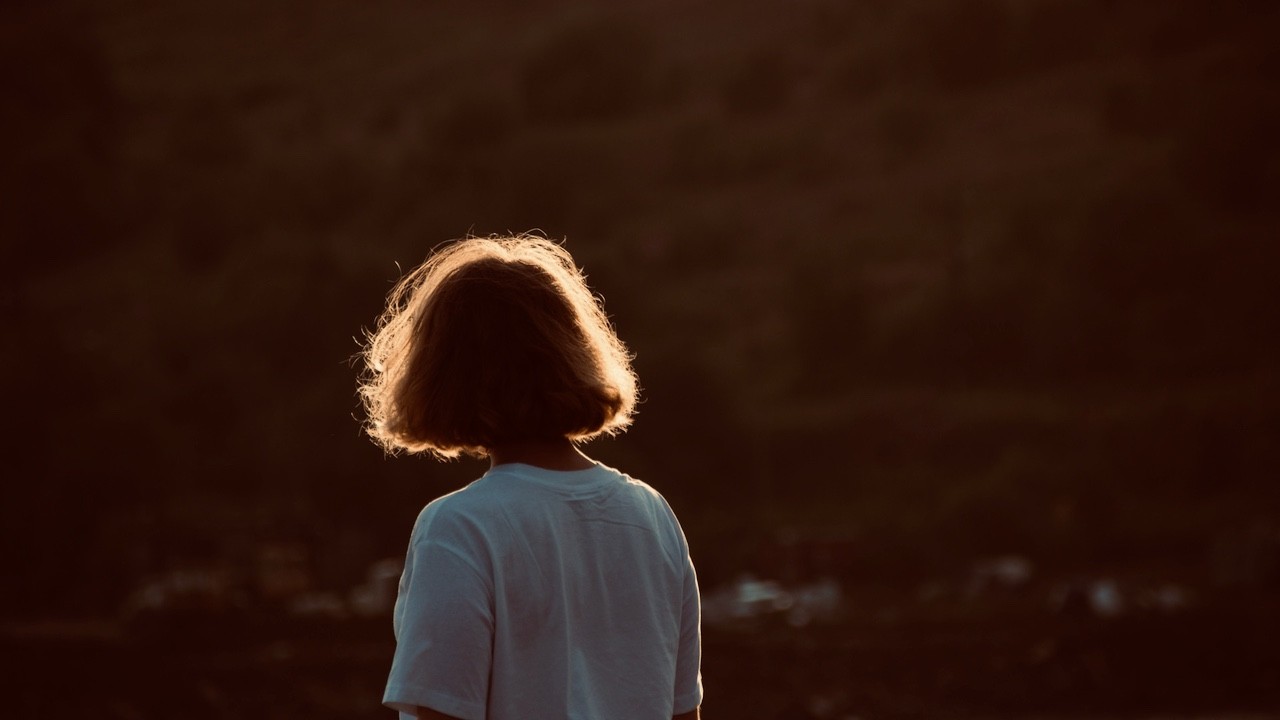
Discover why hair loss happens during perimenopause, what it looks like, and how to support your hair naturally and with treatment options.
Discover why hair loss happens during perimenopause, what it looks like, and how to support your hair naturally and with treatment options.
If you’ve noticed more hair in the shower drain or on your brush than usual, you’re not imagining it. Thinning hair is a common, though rarely talked about, symptom of perimenopause. For many women, it comes as a shock - especially when we already have enough to deal with between mood swings, hot flushes, and unpredictable cycles. The truth is: perimenopause hair loss is real, it has hormonal roots, and there are steps you can take to support your hair and confidence.
Table of contents
Why does perimenopause cause hair loss?
What does perimenopausal hair loss look like?
Everyday ways to support your hair
Treatments and professional support
When to seek medical advice
Why does perimenopause cause hair loss?
Perimenopause is a time of hormonal transition, and one thing hormones influence are your hair. Oestrogen and progesterone - two hormones that start to decline - usually act like protective factors for your hair, keeping strands in their growth phase for longer. As their levels drop, hair may grow more slowly and fall out more easily.
At the same time, androgens (male hormones that women also produce) can become more dominant. Higher sensitivity to these hormones can shrink hair follicles, leading to finer, thinner hair. Genetics also play a role: if your family members experienced hair loss during midlife, you may be more likely to notice it too.
Symptoms of hair loss in perimenopause
Hair loss linked to perimenopause doesn’t usually happen overnight. Instead, it tends to creep in with subtle but noticeable changes:
Gradual thinning: You may feel like your hair isn’t as full as it once was, especially around the crown or temples.
Wider parting: Many women notice their part looks more visible as hair density decreases.
Shedding: Finding more strands in the shower drain, on your pillow, or in your brush can be an early sign.
Texture changes: Hair may feel finer, more brittle, or prone to breakage.
Slower growth: New hair may take longer to grow back, making overall volume feel reduced.
It’s important to remember that these changes vary from person to person. Some women see only mild thinning, while others notice more significant shedding. Stress, illness, or nutritional gaps can also make symptoms more noticeable.
Everyday ways to support your hair
While you can’t fully stop hormonal changes, small daily habits can help protect your hair health:
Gentle care: Avoid harsh brushing, tight hairstyles, and excessive heat styling. Your hair is more fragile now, so treat it kindly.
Balanced nutrition: Protein, iron, vitamin D, and omega-3s are especially important for hair growth. Think eggs, lentils, leafy greens, and oily fish.
Stress management: High cortisol (the stress hormone) can accelerate shedding. Yoga, meditation, or even a daily walk can make a difference.
Scalp health: A healthy scalp is the foundation for stronger hair. Simple scalp massages can improve blood flow and stimulate follicles.
Treatments and professional support
If everyday care isn’t enough, there are treatments that can help. Topical solutions like minoxidil are often recommended for female-pattern hair loss. Some women also explore low-level laser therapy or prescription medications, though these should always be discussed with a doctor first.
For a more natural approach, some supplements claim to support hair growth, especially those with biotin, zinc, or collagen. While evidence varies, they may help if you have deficiencies. It’s always best to consult with a healthcare provider before adding new supplements.
When to seek medical advice
Hair loss can sometimes signal more than just hormonal change. If shedding is sudden, patchy, or accompanied by symptoms like fatigue, skin changes, or irregular heartbeat, it’s important to get checked for conditions like thyroid disease or anaemia. Even if it is “just” perimenopause, speaking to a doctor or women’s health specialist can give you tailored options and peace of mind.
Key takeaways
Hair loss during perimenopause is common and linked to declining oestrogen and progesterone, alongside increased sensitivity to androgens.
It usually appears as gradual thinning rather than sudden bald patches.
Nutrition, gentle care, stress reduction, and scalp health can all help slow hair loss.
Treatments like minoxidil and certain supplements may support regrowth, but professional guidance is best.
If hair loss feels extreme or comes with other health symptoms, seek medical advice.
References:
Karishma Desai, Bianca Almeida, Mariya Miteva; Understanding Hormonal Therapies: Overview for the Dermatologist Focused on Hair. Dermatology 31 August 2021; 237 (5): 786–791. https://doi.org/10.1159/000512888
Mirmirani, P. (2011), Hormonal changes in menopause: do they contribute to a ‘midlife hair crisis’ in women?. British Journal of Dermatology, 165: 7-11. https://doi.org/10.1111/j.1365-2133.2011.10629.x
Levy, L. L., & Emer, J. J. (2013). Female pattern alopecia: current perspectives. International journal of women's health, 5, 541–556. https://doi.org/10.2147/IJWH.S49337
Olsen, E. (2008). Female Pattern Hair Loss. In: Blume-Peytavi, U., Tosti, A., Trüeb, R. (eds) Hair Growth and Disorders. Springer, Berlin, Heidelberg. https://doi.org/10.1007/978-3-540-46911-7_10
If you’ve noticed more hair in the shower drain or on your brush than usual, you’re not imagining it. Thinning hair is a common, though rarely talked about, symptom of perimenopause. For many women, it comes as a shock - especially when we already have enough to deal with between mood swings, hot flushes, and unpredictable cycles. The truth is: perimenopause hair loss is real, it has hormonal roots, and there are steps you can take to support your hair and confidence.
Table of contents
Why does perimenopause cause hair loss?
What does perimenopausal hair loss look like?
Everyday ways to support your hair
Treatments and professional support
When to seek medical advice
Why does perimenopause cause hair loss?
Perimenopause is a time of hormonal transition, and one thing hormones influence are your hair. Oestrogen and progesterone - two hormones that start to decline - usually act like protective factors for your hair, keeping strands in their growth phase for longer. As their levels drop, hair may grow more slowly and fall out more easily.
At the same time, androgens (male hormones that women also produce) can become more dominant. Higher sensitivity to these hormones can shrink hair follicles, leading to finer, thinner hair. Genetics also play a role: if your family members experienced hair loss during midlife, you may be more likely to notice it too.
Symptoms of hair loss in perimenopause
Hair loss linked to perimenopause doesn’t usually happen overnight. Instead, it tends to creep in with subtle but noticeable changes:
Gradual thinning: You may feel like your hair isn’t as full as it once was, especially around the crown or temples.
Wider parting: Many women notice their part looks more visible as hair density decreases.
Shedding: Finding more strands in the shower drain, on your pillow, or in your brush can be an early sign.
Texture changes: Hair may feel finer, more brittle, or prone to breakage.
Slower growth: New hair may take longer to grow back, making overall volume feel reduced.
It’s important to remember that these changes vary from person to person. Some women see only mild thinning, while others notice more significant shedding. Stress, illness, or nutritional gaps can also make symptoms more noticeable.
Everyday ways to support your hair
While you can’t fully stop hormonal changes, small daily habits can help protect your hair health:
Gentle care: Avoid harsh brushing, tight hairstyles, and excessive heat styling. Your hair is more fragile now, so treat it kindly.
Balanced nutrition: Protein, iron, vitamin D, and omega-3s are especially important for hair growth. Think eggs, lentils, leafy greens, and oily fish.
Stress management: High cortisol (the stress hormone) can accelerate shedding. Yoga, meditation, or even a daily walk can make a difference.
Scalp health: A healthy scalp is the foundation for stronger hair. Simple scalp massages can improve blood flow and stimulate follicles.
Treatments and professional support
If everyday care isn’t enough, there are treatments that can help. Topical solutions like minoxidil are often recommended for female-pattern hair loss. Some women also explore low-level laser therapy or prescription medications, though these should always be discussed with a doctor first.
For a more natural approach, some supplements claim to support hair growth, especially those with biotin, zinc, or collagen. While evidence varies, they may help if you have deficiencies. It’s always best to consult with a healthcare provider before adding new supplements.
When to seek medical advice
Hair loss can sometimes signal more than just hormonal change. If shedding is sudden, patchy, or accompanied by symptoms like fatigue, skin changes, or irregular heartbeat, it’s important to get checked for conditions like thyroid disease or anaemia. Even if it is “just” perimenopause, speaking to a doctor or women’s health specialist can give you tailored options and peace of mind.
Key takeaways
Hair loss during perimenopause is common and linked to declining oestrogen and progesterone, alongside increased sensitivity to androgens.
It usually appears as gradual thinning rather than sudden bald patches.
Nutrition, gentle care, stress reduction, and scalp health can all help slow hair loss.
Treatments like minoxidil and certain supplements may support regrowth, but professional guidance is best.
If hair loss feels extreme or comes with other health symptoms, seek medical advice.
References:
Karishma Desai, Bianca Almeida, Mariya Miteva; Understanding Hormonal Therapies: Overview for the Dermatologist Focused on Hair. Dermatology 31 August 2021; 237 (5): 786–791. https://doi.org/10.1159/000512888
Mirmirani, P. (2011), Hormonal changes in menopause: do they contribute to a ‘midlife hair crisis’ in women?. British Journal of Dermatology, 165: 7-11. https://doi.org/10.1111/j.1365-2133.2011.10629.x
Levy, L. L., & Emer, J. J. (2013). Female pattern alopecia: current perspectives. International journal of women's health, 5, 541–556. https://doi.org/10.2147/IJWH.S49337
Olsen, E. (2008). Female Pattern Hair Loss. In: Blume-Peytavi, U., Tosti, A., Trüeb, R. (eds) Hair Growth and Disorders. Springer, Berlin, Heidelberg. https://doi.org/10.1007/978-3-540-46911-7_10
Latest posts



See all
NO COMMITMENT REQUIRED
Ready to
feel heard?
We are here for you. Plan your free intake to get started and discover if Flouria is right for you.

The care path with Flouria feels like a gift to myself.
Flouria client, 44 years old, The Netherlands
NO COMMITMENT REQUIRED
Ready to
feel heard?
We are here for you. Plan your free intake to get started and discover if Flouria is right for you.
The care path with Flouria feels like a gift to myself.
Flouria client, 44 years old, The Netherlands
NO COMMITMENT REQUIRED
Ready to
feel heard?
We are here for you. Plan your free intake to get started and discover if Flouria is right for you.

The care path with Flouria feels like a gift to myself.
Flouria client, 44 years old, The Netherlands
Continue Reading
Continue Reading
The latest handpicked blog articles

NO COMMITMENT REQUIRED
Ready to
feel heard?
We are here for you. Plan your free intake to get started and discover if Flouria is right for you.