Can I still get pregnant in perimenopause?
Can I still get pregnant in perimenopause?
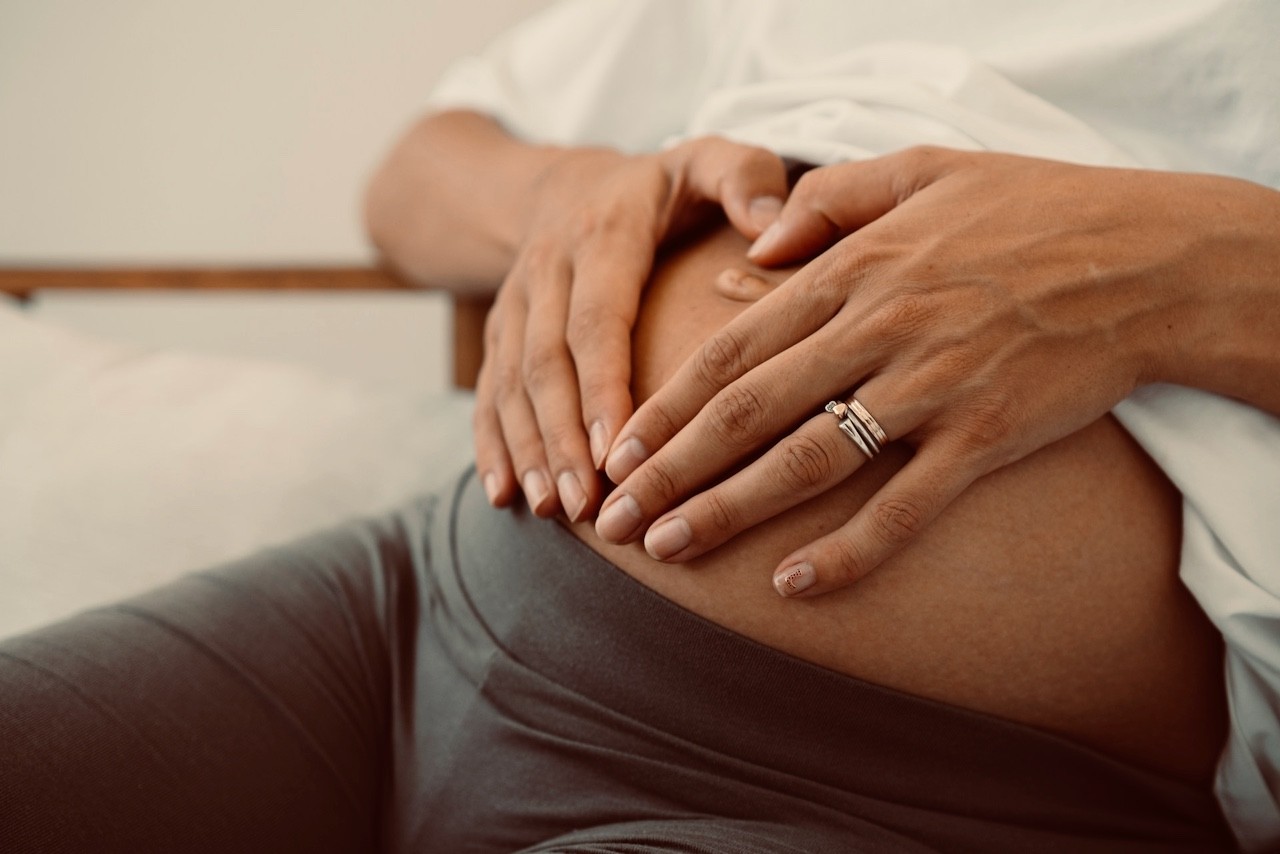
Wondering if you can still get pregnant in perimenopause? Learn how fertility changes in your 40s, the chances of conception, and what to know about contraception or trying for a baby.
Wondering if you can still get pregnant in perimenopause? Learn how fertility changes in your 40s, the chances of conception, and what to know about contraception or trying for a baby.
If your periods are changing and you’re starting to wonder whether you’re in perimenopause, you might also be asking yourself: Can I still get pregnant? The short answer is yes - pregnancy is still possible during this stage.
Table of contents
What happens to fertility in perimenopause
How likely is pregnancy after 40
If you’re trying - or not trying - to conceive
Key takeaway
What happens to fertility in perimenopause
Perimenopause is the transition leading up to menopause, when your hormone levels - especially oestrogen and progesterone - start to fluctuate. Your cycles may shorten, lengthen, or become irregular, and ovulation doesn’t always happen each month. But “not always” is not the same as “never.” As long as your ovaries occasionally release an egg, it’s possible to conceive.
How likely is pregnancy after 40
Fertility naturally declines with age. By your early 40s, the chances of conceiving each cycle are much lower than in your 20s or 30s. The risk of miscarriage or complications is also higher. Still, unplanned pregnancies in perimenopause are more common than many women realise, which is why doctors often advise using contraception until you’ve gone a full year without a period: the official marker of menopause.
If you’re trying - or not trying - to conceive
If you’re trying to conceive, it may take longer and possibly require support from a fertility specialist. If pregnancy is something you want to avoid, talk to your doctor about safe contraception options that work well during this stage of life.
Key takeaway
Yes, you can still get pregnant in perimenopause.
Fertility is lower, cycles are irregular, and risks are higher - but ovulation can still occur.
Use contraception until you’ve gone 12 months without a period if you want to avoid pregnancy.
If you’re trying to conceive, it may help to get medical support sooner rather than later.
References:
Voedisch, A. J., & Ariel, D. (2020). Perimenopausal contraception. Current opinion in obstetrics & gynecology, 32(6), 399–407. https://doi.org/10.1097/GCO.0000000000000667
Soltes B. A. (2025). Contraception in perimenopause. Menopause (New York, N.Y.), 32(5), 472–474. https://doi.org/10.1097/GME.0000000000002554
O'Connor, K. A., Ferrell, R., Brindle, E., Trumble, B., Shofer, J., Holman, D. J., & Weinstein, M. (2009). Progesterone and ovulation across stages of the transition to menopause. Menopause (New York, N.Y.), 16(6), 1178–1187. https://doi.org/10.1097/gme.0b013e3181aa192d
If your periods are changing and you’re starting to wonder whether you’re in perimenopause, you might also be asking yourself: Can I still get pregnant? The short answer is yes - pregnancy is still possible during this stage.
Table of contents
What happens to fertility in perimenopause
How likely is pregnancy after 40
If you’re trying - or not trying - to conceive
Key takeaway
What happens to fertility in perimenopause
Perimenopause is the transition leading up to menopause, when your hormone levels - especially oestrogen and progesterone - start to fluctuate. Your cycles may shorten, lengthen, or become irregular, and ovulation doesn’t always happen each month. But “not always” is not the same as “never.” As long as your ovaries occasionally release an egg, it’s possible to conceive.
How likely is pregnancy after 40
Fertility naturally declines with age. By your early 40s, the chances of conceiving each cycle are much lower than in your 20s or 30s. The risk of miscarriage or complications is also higher. Still, unplanned pregnancies in perimenopause are more common than many women realise, which is why doctors often advise using contraception until you’ve gone a full year without a period: the official marker of menopause.
If you’re trying - or not trying - to conceive
If you’re trying to conceive, it may take longer and possibly require support from a fertility specialist. If pregnancy is something you want to avoid, talk to your doctor about safe contraception options that work well during this stage of life.
Key takeaway
Yes, you can still get pregnant in perimenopause.
Fertility is lower, cycles are irregular, and risks are higher - but ovulation can still occur.
Use contraception until you’ve gone 12 months without a period if you want to avoid pregnancy.
If you’re trying to conceive, it may help to get medical support sooner rather than later.
References:
Voedisch, A. J., & Ariel, D. (2020). Perimenopausal contraception. Current opinion in obstetrics & gynecology, 32(6), 399–407. https://doi.org/10.1097/GCO.0000000000000667
Soltes B. A. (2025). Contraception in perimenopause. Menopause (New York, N.Y.), 32(5), 472–474. https://doi.org/10.1097/GME.0000000000002554
O'Connor, K. A., Ferrell, R., Brindle, E., Trumble, B., Shofer, J., Holman, D. J., & Weinstein, M. (2009). Progesterone and ovulation across stages of the transition to menopause. Menopause (New York, N.Y.), 16(6), 1178–1187. https://doi.org/10.1097/gme.0b013e3181aa192d
Latest posts




See all
NO COMMITMENT REQUIRED
Ready to
feel heard?
We are here for you. Plan your free intake to get started and discover if Flouria is right for you.

The care path with Flouria feels like a gift to myself.
Flouria client, 44 years old, The Netherlands
NO COMMITMENT REQUIRED
Ready to
feel heard?
We are here for you. Plan your free intake to get started and discover if Flouria is right for you.
The care path with Flouria feels like a gift to myself.
Flouria client, 44 years old, The Netherlands
NO COMMITMENT REQUIRED
Ready to
feel heard?
We are here for you. Plan your free intake to get started and discover if Flouria is right for you.

The care path with Flouria feels like a gift to myself.
Flouria client, 44 years old, The Netherlands
Continue Reading
Continue Reading
The latest handpicked blog articles

NO COMMITMENT REQUIRED
Ready to
feel heard?
We are here for you. Plan your free intake to get started and discover if Flouria is right for you.