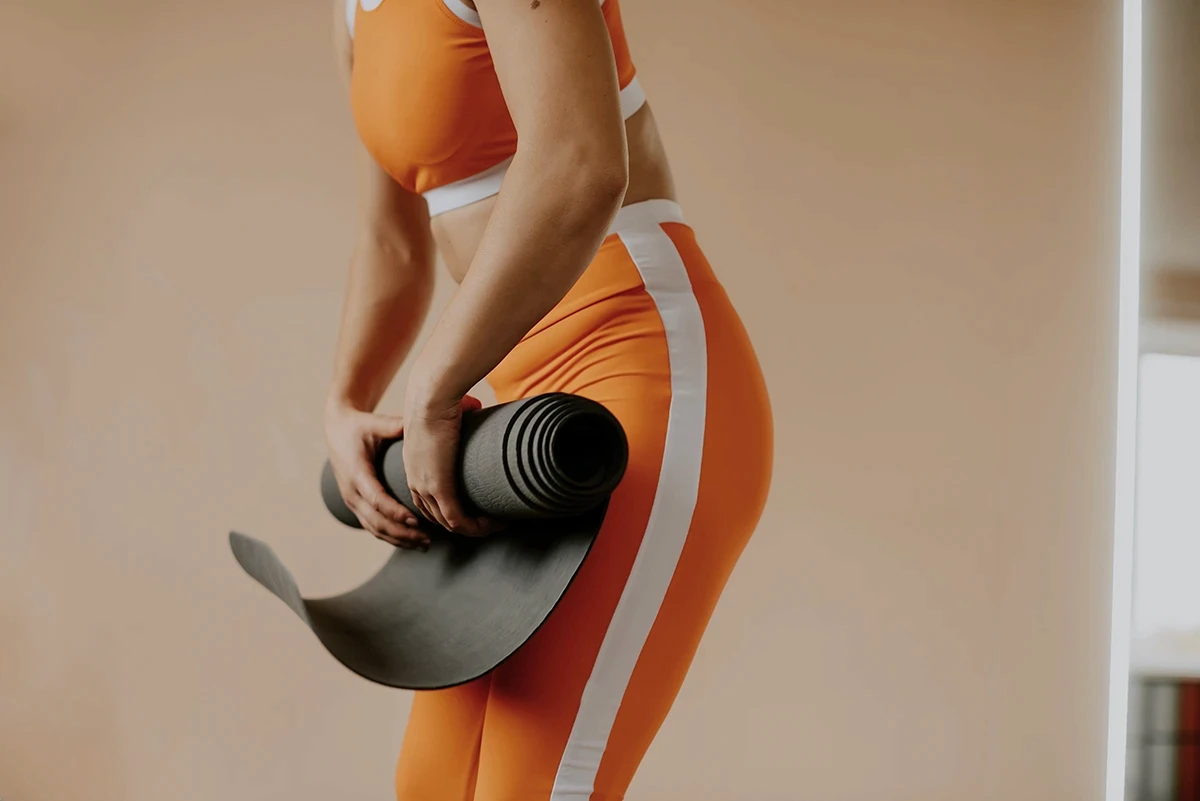
Many women think they need to do intensive workouts several times a week to lose weight. That idea can be pretty discouraging, especially if you have a busy life.
Fortunately, it doesn't have to be that complicated.
You don't need to run a marathon or spend hours at the gym to improve your health. It's regular movement that fits into your life that makes the biggest difference in the long run.
Exercise does much more than burn calories
When people want to lose weight, they often think of calories first. The more you move, the more you burn.
That's true, but exercise does much more.
Regular exercise improves insulin sensitivity, supports your metabolism, helps keep your muscles strong and contributes to better sleep. Exercise also reduces stress and improves your mood.
It's precisely this combination that makes exercise so important for a healthy weight.
How much exercise do you need?
The Health Council of the Netherlands advises adults to do at least 150 minutes of moderate-intensity exercise per week. Think of brisk walking or cycling, for example. Your heart rate goes up, but you can still keep talking.
If you want to lose weight or maintain a healthy weight, research shows that around 200 to 300 minutes of moderate-intensity exercise per week is needed. That works out to around 30–50 minutes a day.
You don't have to do it all in one go. Three ten-minute walks give you the same benefit as one half-hour walk.
It's exactly this flexibility that makes exercise easier for many people to stick with.
Walking is more powerful than many people think
Many women underestimate walking.
Yet brisk walking is one of the most effective and accessible ways to move more. It puts relatively little strain on your joints, you can do it almost anywhere, and you don't need a membership or special sportswear.
Walking also does more than improve your fitness. It reduces stress, supports your blood sugar regulation and, for many people, literally clears their head.
Perhaps that's why walking is the most underrated form of exercise.
Don't forget your muscles
Alongside walking or cycling, we recommend doing strength training or muscle-strengthening exercises at least twice a week.
That doesn't have to mean going to the gym. Bodyweight exercises, resistance bands or light weights are often enough.
Why does this matter so much?
When you lose weight, you lose not only fat but also muscle mass. Muscles help your body use energy and support a healthy metabolism.
By training your muscles regularly, you limit muscle loss and increase your chances of maintaining the weight you've lost in the long term.
Moving more doesn't always have to mean working out
A lot of movement happens outside the gym.
Take the stairs more often. Get off the bus or tram one stop early. Go for a walk after dinner, or walk around while you're on the phone.
All those small moments add up.
When you move a little more every day, you gradually build a more active lifestyle without even noticing. And it's that habit that makes the difference in the long run.
Choose something you'll stick with
The best form of exercise isn't the most intense workout.
The best form of exercise is the one you'll still be doing next week, next month and next year.
Maybe you love walking in the woods. Maybe cycling, swimming, dancing or a group class makes you happy. Above all, choose something you enjoy.
The better an activity suits you, the more likely it is that exercise becomes a regular part of your life.
The key message
You don't need to do intensive exercise every day to lose weight or maintain a healthy weight.
Aim for around 200 minutes of moderate-intensity exercise every week, for example brisk walking or cycling. Combine this with two sessions a week where you strengthen your muscles, for example with strength training or bodyweight exercises.
See exercise not as a way to burn calories, but as an investment in your health. Regular exercise supports your metabolism, helps keep your muscles strong, improves your sleep and gives your body the best chance to reach and maintain a healthy weight.
That's why we're not looking for the perfect workout, but for a way of moving that fits your life. Because it's the exercise you keep enjoying that ultimately pays off the most.
Latest posts


See all


The latest handpicked blog articles